

New Delhi. Updated : Thursday, 4 June 2026
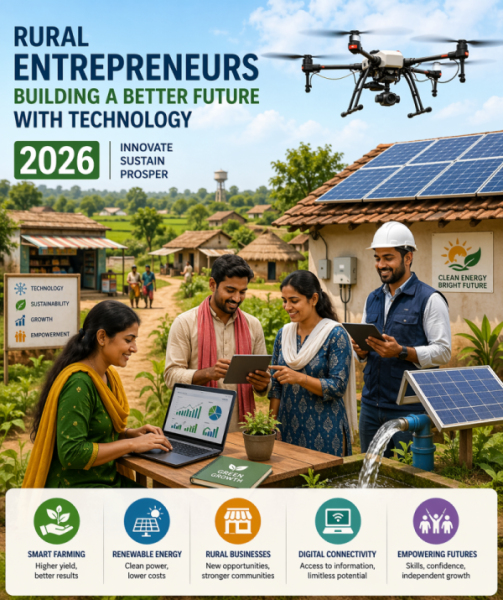
The landscape of rural India is experiencing a massive, state-backed structural evolution. As of mid-2026, villages are no longer considered mere downstream consumer endpoints for massive urban conglomerates. Instead, thanks to aggressive, nation-wide digital infrastructure rollouts like BharatNet and the central 5G Intelligent Village Initiative, grameen (rural) Bharat has emerged as a high-tech center for market-linked farming, localized tech servicing, and digital micro-entrepreneurship.
For venture capitalists, independent entrepreneurs, and localized tech operators looking to tap into this changing ecosystem, understanding the core growth drivers—specifically digital tracking compliance and green energy financing—is your key to unlocking profitability.
1. AgriTech & Climate-Resilient Cultivation
Traditional, unpredictable crop cycles are quickly being replaced by climate-resilient, tech-enabled agricultural models to combat the severe heatwaves experienced throughout 2026. This has birthed several sub-sector “goldmines”:
The Oilseed Surge: To hit national edible oil self-sufficiency targets, Sunflower and Mustard farming have become highly lucrative for cultivators across Western and Central Uttar Pradesh. This directly aligns with the central government’s strategy to achieve massive atmanirbharta (self-reliance) for oilseeds, backed by structured investments from the Union Budget.
Polyhouse Infrastructure: Smart entrepreneurs are stepping away from open-field climate risks and heavily investing in protected cultivation (polyhouses) to grow premium, high-yield vegetables like capsicum and seedless cucumbers closer to major urban consumption centers.
The AgriStack Mandate: From May 2026, accessing subsidized fertilizers or government Minimum Support Price (MSP) benefits strictly requires a Digital Farmer ID, known locally as the Kisan Pehchan Patra. Bringing over 6 crore farmers into centralized registries means setup agencies and verification kiosks have a massive immediate customer base.
2. The Rural Digital Commerce Boom via ONDC
The Common Service Center (CSC) network has officially transitioned into a localized corporate headquarters for village entrepreneurs. Rural digital commerce is booming due to major policy-backed updates:
ONDC Onboarding
Through the Ministry of MSME’s TEAM Initiative, roughly five lakh small rural enterprises are joining the Open Network for Digital Commerce (ONDC). This structural pivot allows small-scale artisans, handloom weavers, and agricultural cooperatives to sell their products nationwide without losing substantial profit margins to predatory, major e-commerce monopolies.
High-Speed Technical Maintenance
With deep-pocket infrastructure like Jio AirFiber reaching distant villages, a brand-new peak demand has emerged for local hardware servicing, smartphone repair, high-speed cyber center setups, and localized data management services.
3. Solar Power & Precision Automation
Adopting clean energy solutions is no longer exclusive to heavy, capital-intensive urban industries. Green energy financing and specialized small business schemes are helping rural startups bypass steep upfront deployment costs.
PM-KUSUM Solved Assets: Under the central PM-KUSUM scheme, farmers can secure up to a 90% subsidy on solar-powered pumps. This single initiative has created a booming market for local engineering, installation, and maintenance setups as communities shift away from expensive diesel irrigation.
Agricultural Drone Fleet: Farmer Producer Organizations (FPOs) and rural startups can now leverage an 80% government subsidy to purchase precision agricultural drones for real-time crop health mapping and automated pesticide spraying.
Rural Business Profitability Matrix (2026 Updates)
The following matrix outlines the required investment capital and primary economic drivers across the fastest-growing rural sectors in mid-2026:
| Industry Sector | Investment Threshold | Key Revenue Driver |
| Digital Services | Low | Mandatory AgriStack compliance, ID updates, and Kisan Credit Card (KCC) limit expansions up to ₹5 Lakh. |
| Floriculture | Medium | Rising wedding and premium corporate event demands in expanding tier-1 cities like Lucknow and Delhi. |
| MSME Logistics | Medium | ONDC-driven cargo and cold-chain management transporting goods seamlessly from village to city markets. |
| Solar Energy | Medium-High | Massive commercial transition from diesel generators to solar-powered irrigation infrastructure. |
Critical Regulatory Changes to Keep in Mind
If you are planning your rural investment strategy based on data from previous financial years, make sure to update your playbook with these official 2026 structural updates:
One-Time Direct Bank Transfers: In major agricultural sectors like dairy and sugarcane (specifically Uttar Pradesh’s sugarcane State Advised Price (SAP) fixed at ₹400/quintal), older installment-based payouts have been replaced by one-time, direct digital transfers to dramatically improve immediate rural liquidity.
KCC Loan Enhancements: The modern Kisan Credit Card loan limit has been raised significantly to ₹5 Lakh, featuring heavily modified interest subventions to account for modern automation costs, drone hiring, and solar installations.
For additional information on how public planning frameworks intersect with these financial rollouts to empower grassroots infrastructure, review the comprehensive guide on the Prime Minister Calls for Rural Participation in ‘Sabki Yojana Sabka Vikas’ Campaign.
