 Matribhumi Samachar English


New Delhi. Tuesday, 12 May 2026
Hindu festivals are a profound reflection of India’s spiritual depth and cultural diversity. Far from being mere holidays, these celebrations are intricate weaves of mythology, seasonal transitions, and community ethics. From the Himalayan foothills to the tropical coasts of the South, these festivals unite over a billion people through shared stories of triumph, devotion, and gratitude.
1. Diwali: The Grand Radiance of Lights
Known as Deepavali, this festival marks the return of Lord Rama to Ayodhya after 14 years of exile. It is fundamentally a celebration of Dharma (righteousness).
-
The Ritual of Light: Lighting oil lamps (diyas) is believed to guide Goddess Lakshmi into homes, bringing prosperity.
-
Modern Significance: Today, Diwali is a major economic driver and a time for “cleaning out the old”—both physically in homes and metaphorically in the soul.
2. Holi: The Canvas of Spring
Holi transcends social barriers. It begins with Holika Dahan, a bonfire symbolizing the destruction of the demoness Holika, representing the victory of Bhakta Prahlada’s devotion.
-
The Play of Colors: The use of Gulal (colored powder) historically came from medicinal herbs like Neem and Turmeric, intended to protect against spring fevers.
-
Lathmar Holi: In regions like Barsana, a unique version involves women playfully hitting men with sticks, depicting the legends of Radha and Krishna.
3. Navratri & Durga Puja: The Divine Feminine
While often grouped together, these two celebrations offer different cultural textures:
-
Navratri (Western/Northern India): Focuses on the nine forms of Shakti. It is synonymous with Garba, a circular dance symbolizing the cyclical nature of time.
-
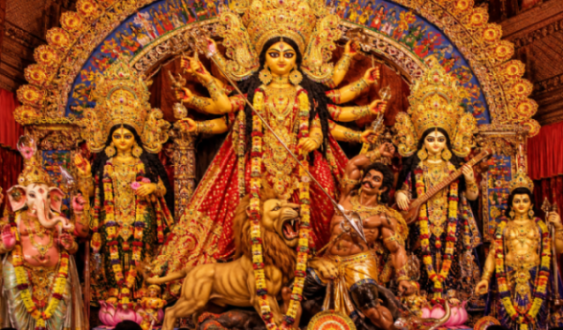
Durga Puja (Eastern India): This is an atmospheric masterpiece. Artisans spend months crafting giant clay idols of Goddess Durga. The Dhunuchi Naach (dance with incense burners) is a sensory highlight.
4. Ganesh Chaturthi: The Lord of Beginnings
What started as a private religious observance was transformed by Bal Gangadhar Tilak in 1893 into a grand public event to bridge the gap between “Brahmins and non-Brahmins” and build national unity.
-
The Eco-Friendly Shift: In recent years, there has been a massive movement toward Shadoo Mati (natural clay) idols to protect water bodies during the immersion (Visarjan).
5. Makar Sankranti: The Solar Transition
Unlike most Hindu festivals that follow the lunar cycle, this follows the solar cycle, marking the sun’s entry into Capricorn (Makara).
-
Regional Flavors: In Tamil Nadu, it is Pongal (boiling of milk and rice); in Punjab, it is Lohri; and in Assam, it is Bhogali Bihu. It is the “Harvest Festival of India.”
Deep Dive & Corrections
To provide the most accurate and nuanced view, it is important to clarify common misconceptions:
-
Date Variability: Hindu festivals do not fall on the same Gregorian date every year. They are calculated based on the Panchang (Hindu calendar).
-
Cultural Unity vs. Uniformity: While the underlying deity might be the same, the rituals in South India (like the use of banana leaves and specific temple architecture) differ vastly from the “Pandal” culture of the North and East.
For Regional Festival News Visit : Matribhumi Samachar – National News
Disclaimer
The views and opinions expressed in this “Discover” piece are those of the authors and do not necessarily reflect the official policy or position of any religious organization or government body. Any content provided by our bloggers or authors is of their opinion and is not intended to malign any religion, ethnic group, club, organization, company, or individual.