

New Delhi. Saturday, 23 May 2026
In a major milestone for international wildlife conservation, the Kingdom of Saudi Arabia has officially signed on as the newest member of the India-led International Big Cat Alliance (IBCA). By finalizing its membership on Friday, May 22, 2026, Saudi Arabia brings the total strength of the global coalition to 26 member nations, injecting significant momentum and diplomatic depth into the multi-country platform.
The International Big Cat Alliance warmly acknowledged the development, stating that Riyadh’s formal inclusion marks a monumental collective step toward advancing global cooperation for predator protection and a sustainable planet.
🏛️ The Vision and Purpose of the IBCA
Conceived as the brainchild of Indian Prime Minister Narendra Modi, the alliance was first envisioned during the 50th anniversary of Project Tiger in April 2023 and formally structured as a treaty-based global entity in early 2024. Headquartered in New Delhi, the coalition functions under India’s Ministry of Environment, Forest and Climate Change via the National Tiger Conservation Authority (NTCA).
The IBCA targets the protection of the world’s seven major big cat species:
Tiger
Lion
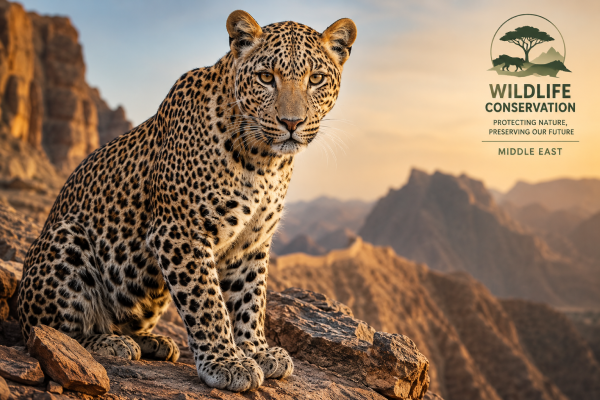
Leopard
Snow Leopard
Cheetah
Jaguar
Puma
While India naturally acts as a safe haven for five of these magnificent predators (excluding the Jaguar and Puma), the alliance aims to serve all 95 big cat range and non-range countries, encouraging collaborative policy, tech-driven mapping, and standardized ecological practices.
🛡️ Strategic Goals: Wildlife Conservation Meets Climate Action
The entry of Saudi Arabia is viewed by environmental economists as an avenue for robust financial modeling and cross-regional collaboration. Conservation is no longer looked at as isolated wildlife management; it is recognized globally as a nature-based climate solution. Apex predators regulate whole ecosystems—where big cats thrive, forests and grasslands hold higher carbon capacity, water tables stabilize, and biodiversity acts as a natural carbon sink.
The core framework of the alliance concentrates on five critical pathways:
Dismantling Poaching Networks: Strengthening cross-border intelligence to curb wildlife trafficking.
Habitat Restoration: Safeguarding the territorial expanses needed for sustainable hunting and breeding ranges.
Knowledge Repositories: Creating a centralized, open-access database of breakthrough scientific research and tracking tech.
Capacity Building: Funding and training regional forest guards and anti-poaching units.
Blended Finance Ecosystems: Mobilizing biodiversity-carbon credit mechanisms to generate sustainable capital for remote communities.
📅 Chronology of the Alliance’s Growth
🔍 Context and Current Status of the Inaugural Summit
Alongside member additions, the alliance noted a shift in its diplomatic calendar. The inaugural IBCA Summit, which was scheduled to take place in New Delhi on June 1 and 2, 2026, has been temporarily postponed. Environmental authorities are currently structuring fresh calendar dates to optimize attendance.
The original summit was planned to line up alongside the high-profile India-Africa Forum Summit (IAFS-IV), reflecting the reality that a vast number of African range nations—including existing IBCA signatories like Kenya, Rwanda, Ethiopia, and Niger—are vital anchors for big cat conservation and sustainable biodiversity mapping.
The integration of Saudi Arabia aligns neatly with their ongoing domestic environmental blueprints, particularly their ambitious initiatives to save the critically endangered Arabian leopard native to the AlUla mountains. Through the unified resources of the IBCA, global biodiversity management is steadily moving from fragmented country-level initiatives toward a cohesive global defense system.
Related External Links & Resources
To stay updated on related global environmental treaties and ecological policy developments, check out current news dispatches via:
