

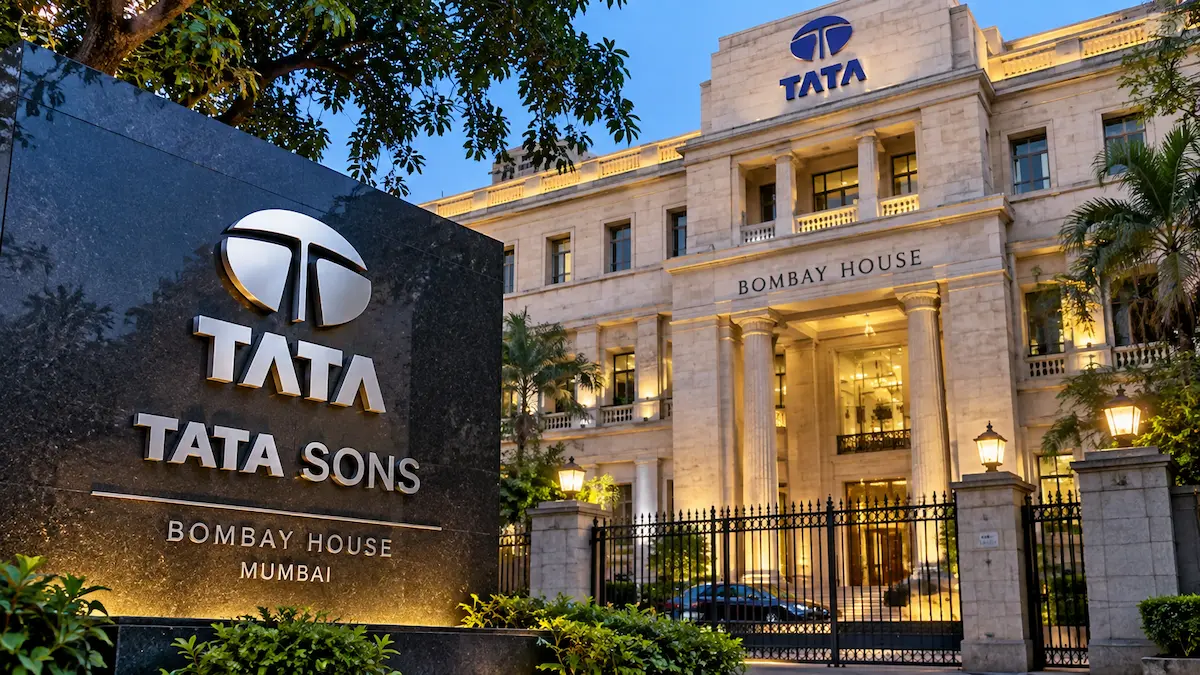
Mumbai.
The corporate governance space surrounding the Tata Group—one of India’s most respected philanthropic and industrial conglomerates—has entered an intense phase. Between regulatory mandates set by the Reserve Bank of India (RBI) regarding Tata Sons’ stock market listing and internal legal petitions targeting historical share transfers, the holding company is navigating a complex period of structural and administrative transformation.
Below is a friendly, comprehensive, and objective look into the ongoing listing dispute, the proposed operating merger, and the recent legal developments involving Tata Trusts.
The Listing Mandate: Why Tata Sons Is Under RBI Scrutiny
In September 2022, the RBI categorized Tata Sons Pvt. Ltd. as an Upper-Layer Non-Banking Financial Company (NBFC-UL). Under the RBI’s scale-based regulatory framework, entities classified in this top tier are mandated to list their equity shares on stock exchanges within three years of identification.
- The September 2025 Deadline: The three-year period to complete an Initial Public Offer (IPO) expired in September 2025 while Tata Sons remained unlisted.
- The CIC Surrender Application: In an effort to step outside the purview of NBFC-UL listing requirements, Tata Sons applied to surrender its Core Investment Company (CIC) registration.
- The RBI’s Directives: In September 2026, the central bank rejected Tata Sons’ surrender application, re-affirming that the parent holding company must comply with the regulatory frameworks governing upper-layer entities.
Tata Trusts’ Restructuring Proposal: Merging Operating Units
To address the regulatory hurdle without diluting ownership or forcing an IPO on the open market, Tata Trusts—which collectively holds roughly 66% equity in Tata Sons—has put forward an alternative group restructuring model.
The Proposed Merger Strategy
Tata Trusts has proposed merging two key operating companies directly into Tata Sons:
- Tata Electronics Systems Solutions (TESS)
- Tata Consulting Engineers (TCE)
┌─────────────────────────────────────────────────────────────────┐
│ TATA TRUSTS (~66% Equity) │
└────────────────────────────────┬────────────────────────────────┘
│
▼
┌─────────────────────────────────────────────────────────────────┐
│ TATA SONS LTD. │
│ (Holding Parent Entity) │
└──────┬─────────────────────────┬─────────────────────────┬──────┘
│ │ │
▼ ▼ ▼
┌──────────────┐ ┌──────────────┐ ┌────────────────┐
│ TESS │ │ TCE │ │ OTHER GROUP │
│ (Operating) │ │ (Operating) │ │ ENTITIES │
└──────┬───────┘ └──────┬───────┘ └────────────────┘
│ │
└───────────┬────────────┘
│
▼
[PROPOSED MERGER INTO TATA SONS]
- Goal: Increase operating revenues directly
- Aim: Change regulatory classification away from CIC/NBFC-UL
Strategic Objective
By integrating TESS and TCE into the holding company, Tata Sons would generate substantial direct operating revenue. The Trusts believe that expanding the operating-business component could reclassify Tata Sons’ regulatory status away from a pure investment/holding company, allowing it to surrender its CIC status validly and avoid a mandatory public listing.
This restructuring plan requires various regulatory clearances, including prior No-Objection Certificates (NOC) from the RBI.
Governance Debates & The 1989 Share Transfer Petition
Alongside the public listing debate, a legal challenge was initiated before the Maharashtra Charity Commissioner regarding a historical share transaction.
- The Complaint: On June 4, 2026, an advocate representing petitioner Suresh Tulsiram Patilkhede filed a petition questioning the January 18, 1989, transfer of 833 shares of Tata Sons Ltd. from the Navajbai Ratan Tata Trust to the late Naval H. Tata.
- Core Allegations: The petitioner alleged a lack of complete documentation from 1989 and claimed a conflict of interest, arguing that Chairman Noel Tata should recuse himself from chairing trust meetings.
- Tata Trusts’ Official Response: On June 5, 2026, Tata Trusts issued a strong legal clarification:
- Lawful Consideration: The 1989 transaction was fully paid for, legally compliant, and executed at proper financial valuation.
- Legal Approval: The transaction was thoroughly reviewed and vetted by iconic legal jurist and former Tata Sons director, Nani Palkhivala.
- Vindication: The trust identified the petitioner as a “serial litigator” seeking to create unnecessary hurdles against an institution with over 130 years of philanthropic leadership.
Trust Law Amendments
In parallel, challengers have pointed to late-2025 amendments in the Maharashtra Public Trusts Act limiting lifetime or permanent trustees to 25% of a trust board. While an ex-parte order temporarily impacted meetings of the Sir Ratan Tata Trust (SRTT), the order explicitly did not apply to the Sir Dorabji Tata Trust (SDTT), enabling Chairman Noel Tata to proceed with scheduled board discussions.
Read more about group milestones and social leadership initiatives directly on Matribhumi Samachar English.
Frequently Asked Questions (FAQ)
Why is the RBI requiring Tata Sons to list on stock exchanges?
In September 2022, the RBI classified Tata Sons as an Upper-Layer NBFC (NBFC-UL). Under central bank rules, entities in this tier are required to go public within three years, a deadline that passed in September 2025.
How does the merger with TESS and TCE help avoid a public IPO?
Merging Tata Electronics Systems Solutions (TESS) and Tata Consulting Engineers (TCE) directly into Tata Sons increases the company’s standalone operating revenue. This shift in financial structure could allow Tata Sons to reclassify its business model from an investment holding company (CIC) to an operating entity, making it exempt from NBFC-UL listing mandates.
What is the status of the 1989 share transfer dispute?
Tata Trusts issued an official statement confirming that the 1989 transfer of 833 Tata Sons shares to Naval H. Tata was fully paid, legitimate, and cleared by legal jurist Nani Palkhivala. The Trusts have refuted the petitioner’s claims as unfounded and malicious.
Who holds the controlling stake in Tata Sons?
Philanthropic trusts—primarily the Sir Dorabji Tata Trust and the Sir Ratan Tata Trust—collectively hold approximately 66% of the equity capital of Tata Sons.
Disclaimer
This article is published for informational and educational purposes only and does not constitute financial, legal, or investment advice. Corporate structures, regulatory decisions by the Reserve Bank of India (RBI), and legal proceedings before charitable commissioners or courts are subject to ongoing official rulings and updates.
