

New Delhi. Saturday, 6 June 2026
The kitchen is the energetic powerhouse of any home. In Vastu Shastra (the ancient Indian science of architecture), the kitchen represents the sacred fire element (Agni). It is directly linked to the health, vitality, and financial well-being of the inhabitants.
While financial growth relies on hard work and smart planning, Vastu experts suggest that structural layout imbalances can act as unseen speedbumps, disrupting the smooth flow of positive energy.
Fortunately, you do not need a major demolition to fix these issues. Here are 10 common kitchen Vastu errors, the practical reasoning behind them, and simple, non-invasive corrections.
1. The Kitchen is Built in the North-East Zone
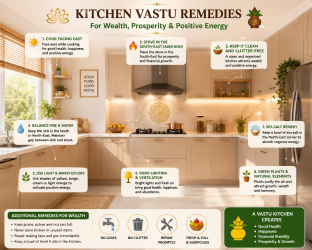
The North-East direction, known as the Ishanya zone, is governed by the water element and spiritual energies. Placing a fire element (the kitchen) here creates an elemental clash.
The Correction: If your kitchen is already here, keep the North-East corner of the room entirely clutter-free. Use soothing colors like light yellow, cream, or white to neutralize the space. Additionally, placing a small bowl of natural sea salt in this corner is believed to absorb stagnant energies.
2. The Stove and Sink are Placed Side by Side
This is one of the most common design flaws. The stove represents fire, while the sink handles water. When placed immediately next to each other or directly opposite one another, it creates a symbolic clash of opposing forces, often mirroring domestic stress or erratic expenses.
The Correction: Maintain as much distance as possible between them. If they are tight on space, place a structural buffer—like a heavy wooden chopping board or a small, vibrant green indoor plant—between the sink and the stove to introduce a balancing element.
3. Cooking While Facing the Wrong Direction
Vastu guidelines emphasize that the person cooking should ideally face East. The East is associated with the rising sun, freshness, and life-force energy. Preparing meals while facing a wall or the wrong direction can leave the cook feeling drained.
The Correction: If you cannot physically shift the countertop or reposition your gas stovetop to face East, focus on improving the environment. Enhance the overhead lighting and maximize ventilation right over the cooking area so the space feels open and energized.
4. The Kitchen is Visible Right from the Main Entrance
When a kitchen door or cooking platform is directly aligned with the house’s front door, it means the home’s inner energy is exposed instantly to incoming guests. In traditional folklore, this symbolizes wealth and domestic resources “evaporating” too quickly.
The Correction: You do not need to build a new wall. Simply set up a decorative wooden partition, an elegant curtain, or a folding screen to break the direct line of sight. Get into the habit of keeping the kitchen door partially closed when it is not in use.
5. Dark or Oppressive Colors Dominate the Room
Heavy use of pitch black, deep charcoal grey, or midnight blue can visually and energetically dampen the warmth of the fire element. A dark kitchen can subtly induce a sense of heavy, slow energy during meal preparation.
The Correction: Repaint walls or update cabinet laminates with warm, life-affirming shades. Choose light yellow, peach, soft beige, orange, or cream. If you cannot change the cabinets, add bright, high-CRI (Color Rendering Index) lighting to mimic daylight.
Vastu Integration Tip: Modern architecture often challenges traditional orientations. However, as noted in recent trends on modern architecture and traditional Vastu integration, spatial efficiency and strategic lighting design can easily overcome directional limitations without sacrificing style.
6. Leaking Taps and Plumbing Flaws
In structural energy traditions, water represents flow and liquidity—including financial liquidity. A tap that continuously drips or a pipe that slowly leaks is metaphorically seen as a steady drain on the household’s financial stability.
The Correction: Treat plumbing issues with urgency. Repair leaking faucets and clearing blocked drains immediately. Regular maintenance keeps your house structurally sound and your home’s energy steady.
7. Overcrowded and Cluttered Storage
An overstuffed pantry, cabinets piled with unused plastic boxes, and expired ingredients block the natural flow of air and light. Clutter creates physical stagnation, which can translate into feeling stuck in daily life.
The Correction: Dedicate an hour every month to deep-clean your kitchen storage. Throw away expired food, donate items you haven’t touched in a year, and clean out the grease from inside the cabinets. Organise your pots and pans systematically.
8. The Kitchen and Bathroom Share a Common Wall
A layout where the kitchen shares a wall (or plumbing line) with a toilet is highly discouraged in traditional architecture. It brings the energy of nourishment into close proximity with the energy of waste disposal and elimination.
The Correction: Keep both rooms impeccably clean. Ensure the shared wall is well-sealed against dampness. Use natural air fresheners, such as essential oil diffusers or camphor, and keep bathroom exhaust fans fully functional to ensure proper ventilation.
9. Holding Onto Broken Appliances or Chipped Cookware
Using chipped plates, cracked mugs, or keeping broken blenders and non-functional microwaves in the corner signifies a tolerance for stagnation.
The Correction: If an appliance is broken, either send it for repairs immediately or discard it. Get rid of chipped glassware or severely scratched non-stick pans. Surrounding yourself with fully functioning items shifts your mindset toward abundance.
10. Dim Lighting and Stale Air
A dark, poorly ventilated kitchen easily accumulates grease, grime, and dampness. It makes cooking feel like a chore and lowers the overall vibration of the food prepared there.
The Correction: Open windows in the morning to let natural sunlight stream into the workspace. If your kitchen lacks windows, install a strong chimney or heavy-duty exhaust system along with layered task lighting under the cabinets.
Balancing Tradition with Practical Living
While traditional Vastu principles offer deep insights into environmental harmony, their core recommendations perfectly match modern hygiene, ergonomics, and home safety standards.
Fixing a water leak saves money on utility bills and prevents structural mold. Clearing out old clutter ensures better pests control and a cleaner cooking environment. Ultimately, creating a well-lit, highly functional, and organized kitchen gives you a more peaceful and comfortable home.
