

Mumbai. Friday, 24 July 2026
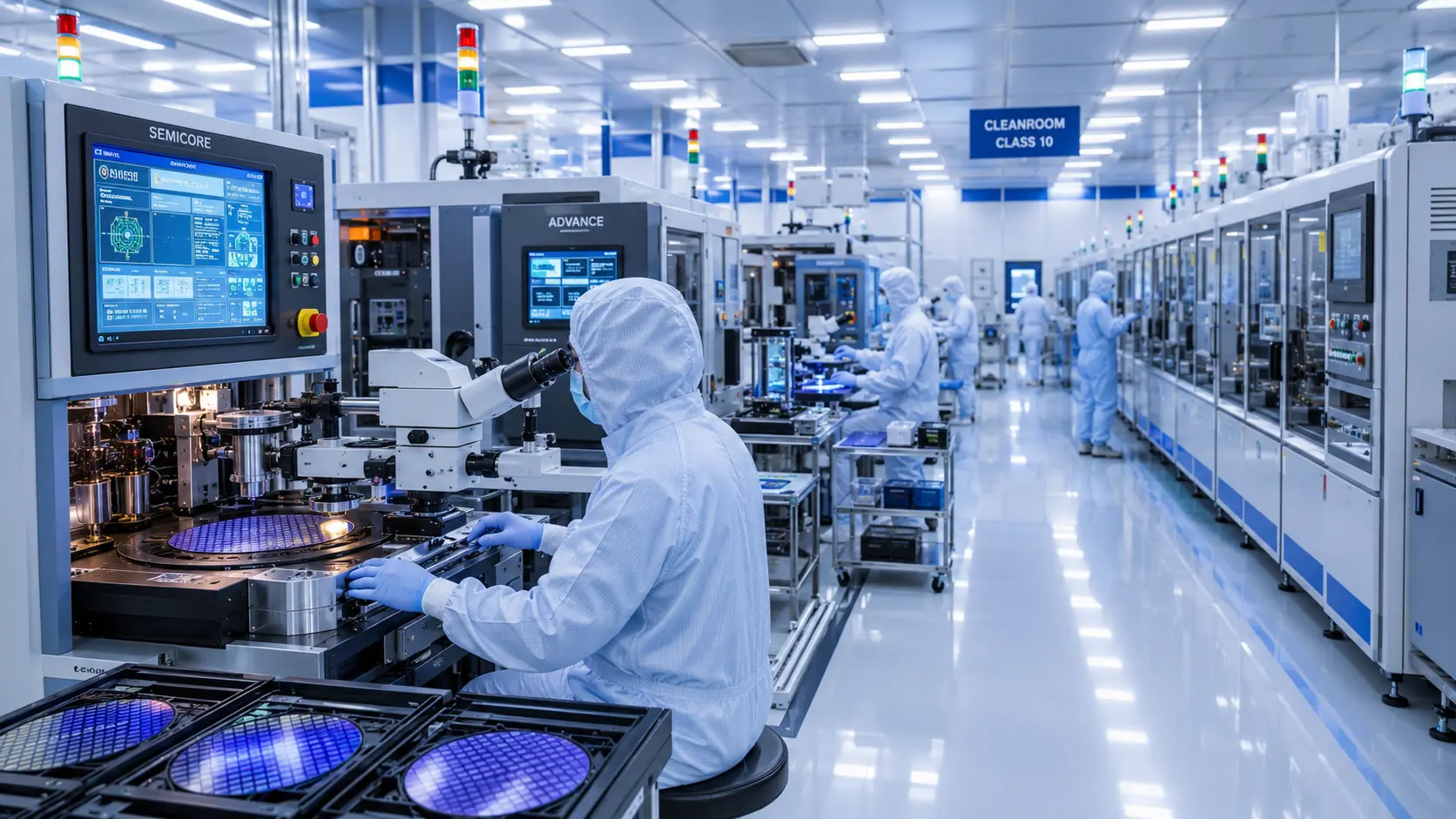
In a major boost to India’s ambition of becoming a global electronics powerhouse, South Korean LED technology titan Seoul Semiconductor is finalizing plans to establish a local manufacturing footprint in India.
The move marks a crucial transition for the Indian tech industry—shifting the focus from assembling finished gadgets to producing the fundamental semiconductor components that make them run.
Why Seoul Semiconductor Picked India
India’s electronics sector is experiencing unprecedented growth. Driven by robust consumer demand, aggressive policy support, and global supply chain diversification away from traditional East Asian hubs, international component makers are placing major bets on Indian soil.
For Seoul Semiconductor, expanding to India offers five distinct advantages:
Massive Domestic Market: Rapid urbanization is driving demand for energy-efficient smart lighting across households and infrastructure.
Booming Automotive Sector: Electric vehicles (EVs) and modern cars require advanced adaptive headlights, daytime running lamps, and digital cockpit lighting.
Growing Display Industry: Televisions, laptops, and smartphones require precise LED backlighting and micro-LED technologies.
Government Backing: Policy incentives under the Semicon 2.0 initiative dramatically reduce initial capital outlay.
Export Base Potential: India serves as a strategic geographic springboard for exporting to Middle Eastern, European, and African markets.
The Missing Link: Strengthening India’s Upstream LED Supply Chain
Until now, Indian manufacturers relied heavily on imports for high-performance LED chips and advanced packaged components. Local production will directly supply critical industries:
| Sector | Primary Applications | Impact of Local Sourcing |
| Automotive | Matrix headlights, interior ambient lighting, EV displays | Shorter supply lead times & custom local engineering support |
| Consumer Electronics | Smart TVs, monitors, smartphones, wearables | Reduced import duties & improved margin control |
| Smart Infrastructure | Connected streetlights, public traffic displays | High-reliability components tailored for regional power conditions |
| Medical Devices | UV-C disinfection LEDs, surgical lighting | Secure supply during global supply chain disruptions |
The Semicon 2.0 Catalyst
India’s upgraded Semicon 2.0 programme expands government support beyond traditional silicon microchip foundries to cover compound semiconductors, specialized packaging (ATMP/OSAT), and essential optical components.
By offering capital expenditure incentives ranging between 25% and 35%, the policy encourages global leaders to build cleanrooms, testing facilities, and specialized assembly lines directly within industrial corridors in states like Tamil Nadu, Gujarat, and Karnataka.
Industry Impact: Moving from simple circuit assembly to upstream component packaging builds a resilient ecosystem, training local engineers and attracting ancillary supplier networks.
Key Challenges Ahead
While the momentum is strong, establishing an advanced component unit requires overcoming key operational hurdles:
Utility Reliability: Precision LED packaging requires uninterrupted cleanroom power and ultra-pure water supplies.
Component Ecosystem: Sourcing high-purity substrates, silicones, and lead frames locally rather than importing raw inputs.
Specialized Workforce: Upskilling technicians in optoelectronic packaging and micro-assembly standards.
Frequently Asked Questions (FAQ)
What does Seoul Semiconductor manufacture?
Seoul Semiconductor is a leading global optoelectronic manufacturer specializing in LED chips, automotive lighting solutions, SunLike natural spectrum lighting, and advanced backlighting displays.
How does Semicon 2.0 support LED manufacturing?
Semicon 2.0 provides targeted capital subsidies, land allocation assistance, and infrastructure support for compound semiconductors, packaging (ATMP/OSAT), and display technology component units.
Why is local LED manufacturing important for India?
It reduces dependence on imported electronic components, lowers production costs for Indian electronics makers, protects against global supply disruptions, and creates high-skilled engineering jobs.
Related Coverage on Matribhumi Samachar
To explore more about India’s growing industrial and technology updates, visit these related articles:
Disclaimer: This article is intended for informational and educational purposes based on industry news and government policy announcements. Financial figures and prospective site locations are subject to official corporate disclosures by Seoul Semiconductor.
