



The published pathway sets out Dr Caner Kaya’s role in suitability assessment and individual planning, alongside pre-travel review and remote follow-up.
Istanbul, Turkey–(Newsfile Corp. – September 1, 2026) – Avicenna International Hospital has published its Face and Neck Lift Patient Pathway for UK Patients, setting out how its existing clinical process is applied to patients travelling from the UK to its Ataşehir, Istanbul hospital. The pathway documents clinical assessment before travel, individual surgical planning, hospital admission, early post-operative review and follow-up after the patient returns home. Dr Caner Kaya, Specialist in Plastic, Reconstructive and Aesthetic Surgery and Head of the Plastic Reconstructive and Aesthetic Surgery Department at Avicenna International Hospital, leads the clinical assessment and planning described in the publication.
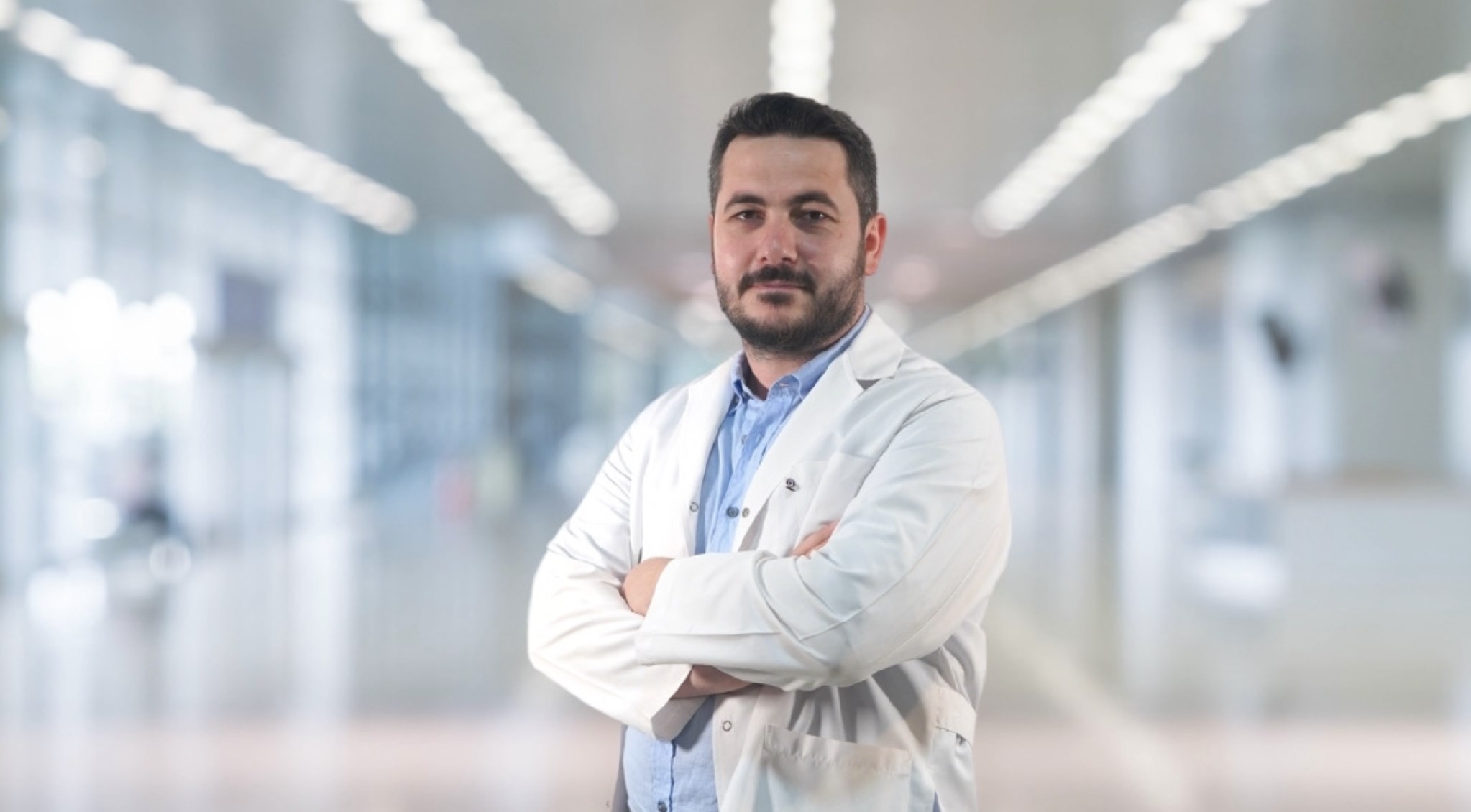
Dr Caner Kaya, Specialist in Plastic, Reconstructive and Aesthetic Surgery and Head of the Plastic Reconstructive and Aesthetic Surgery Department at Avicenna International Hospital. Image courtesy of Avicenna International Hospital.
To view an enhanced version of this graphic, please visit:
https://images.newsfilecorp.com/files/9405/311618_f7712fc5540c09e5_001full.jpg
The Face and Neck Lift Patient Pathway for UK Patients is available at: https://avicennaint.com/en/face-and-neck-lift-patient-pathway-for-uk-patients/
The 2025 annual audit from the British Association of Aesthetic Plastic Surgeons recorded 2,097 Face and Neck Lift procedures in the UK, up 11% year on year. The figures cover UK procedures and do not measure travel abroad or demand for treatment in Turkey. NHS guidance on cosmetic surgery abroad addresses direct surgeon contact, risks, follow-up and unexpected problems. Neither BAAPS nor NHS evaluates Avicenna International Hospital.
The pathway covers five clinical decision points
The pathway identifies five points covered before travel: direct communication with the surgeon expected to perform the operation; whether the proposed plan fits the patient’s anatomy, health and previous procedures; what the operation can realistically address; whether the benefits, limitations and risks have been explained; and whether a written plan is in place for follow-up and urgent concerns after the patient returns home.
Face and Neck Lift treatment is planned individually rather than through one fixed surgical plan. It may address laxity in the lower face, jawline and neck. The eye area, brow position, facial volume and skin quality require separate assessment, and additional procedures are considered only when clinically indicated.
“Facial rejuvenation is not one standard operation with the same plan for every patient,” Kaya said. “The first question is whether the patient’s anatomy, health and expectations can be matched with a realistic surgical plan. If surgery is unlikely to provide meaningful benefit, it should not be recommended.”
The pathway documents suitability, risk and recovery
The pathway records the factors considered during suitability assessment, including skin and soft-tissue quality, previous facial procedures, general health, nicotine use, medication, healing risks and expectations. Surgery may be postponed or not recommended when risks are not controlled, the expectation is not realistic or the likely benefit is limited.
Potential risks include swelling, bruising, numbness, scarring and temporary asymmetry, as well as bleeding, infection, delayed healing, skin circulation problems, nerve weakness and anaesthetic or clotting complications. Surgery does not stop ageing, guarantee symmetry or promise a fixed age reduction. Recovery and results vary, and final assessment may take six to nine months.
Existing pathway begins before travel
Avicenna’s pathway begins with a review of the patient’s medical history, test results and photographs. Kaya may then hold a remote consultation to assess whether surgery is appropriate and create an individual plan. The usual pathway includes hospital admission and observation for about one day and around seven days in Istanbul for rest, dressings and an early review, subject to the doctor’s clearance to fly.
“Follow-up should be planned before the patient returns home,” Kaya said. “The patient needs written guidance on wound care, medication, expected recovery signs, warning signs and follow-up dates, together with a clearly identified contact for urgent concerns.”
The published pathway includes remote follow-up after return home, usually at one week and at one, three and six months, adjusted to recovery. A written medical summary can support continuity if a UK clinician takes over care.
If an unexpected problem or possible revision is reported, the relevant surgeon reviews photographs and clinical information before setting the next step. Additional treatment or costs depend on the cause, clinical need and the hospital’s revision policy and are explained in advance.
About Avicenna International Hospital
Avicenna International Hospital in Ataşehir, Istanbul, is part of Avicenna Hospital Group. UK residents may request an individual clinical review at https://avicennaint.com/en/, by WhatsApp on +90 552 216 39 11, by telephone on +90 216 574 10 00 or by email at [email protected]. Recommendations remain subject to direct clinical assessment.
Media Contact
Muhammed Enes Eren
Deputy General Manager and Business Development Director
Avicenna Hospital Group
Email: [email protected] | Telephone: +90 216 574 10 00
Website: https://avicennaint.com/en/
Medical information in this release is general and does not replace an individual consultation. Suitability, risks, recovery and follow-up depend on the patient and the procedure selected.
SOURCE: AVICENNA INTERNATIONAL HOSPITAL | INDEPENDENT CONTEXT SOURCES: BAAPS 2025 Annual Audit | NHS guidance on cosmetic surgery abroad
To view the source version of this press release, please visit https://www.newsfilecorp.com/release/311618
