

Boston.
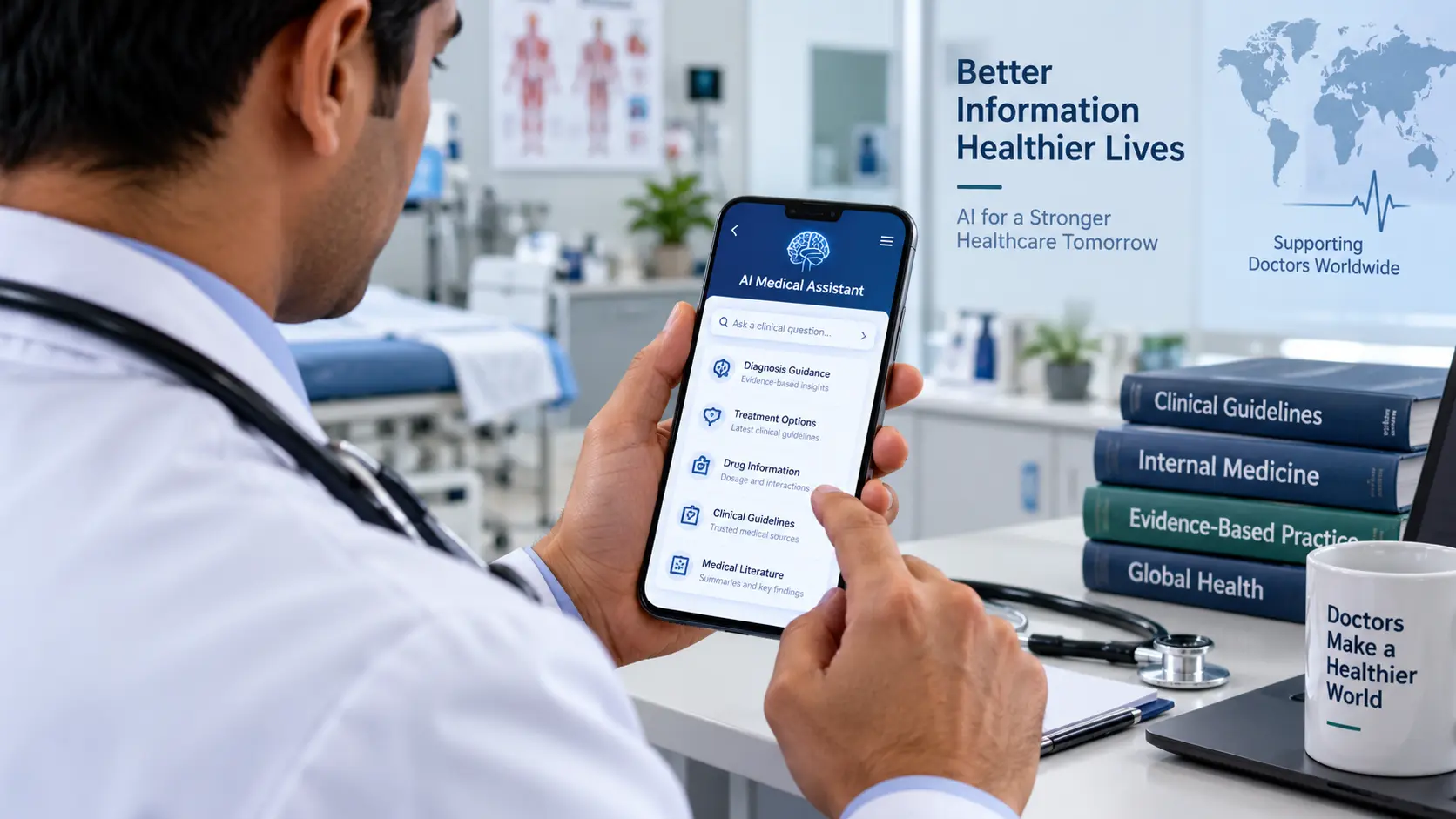
In an unprecedented global health initiative, artificial intelligence safety lab Anthropic and medical intelligence platform OpenEvidence have joined forces to expand free access to AI-powered clinical decision tools. Designed to support doctors in resource-limited settings, the program targets approximately 100 low- and middle-income countries, bridging critical gaps in medical research access, specialist knowledge, and local continuing medical education.
Bridging the Global Knowledge Gap
For healthcare providers in remote or underfunded medical centers, staying updated on modern diagnostic standards and treatment protocols presents a monumental challenge. Institutional subscriptions to peer-reviewed journals are prohibitively expensive, and local access to specialist consultation is frequently unavailable.
Through this strategic alliance, OpenEvidence provides its specialized medical platform free of charge to practicing physicians in participating countries—including Uganda, Angola, Sudan, Haiti, and Mongolia. Powered by Anthropic’s advanced AI technology, the platform ingests massive volumes of peer-reviewed clinical research and health guidelines to answer complex diagnostic and treatment queries in seconds.
For coverage on global digital transformation and health technology trends, read more on Matribhumi Samachar English.
Tailoring Medical Intelligence to Local Realities
A primary critique of global health technology is the overuse of high-income Western clinical models that do not align with conditions on the ground in lower-resource settings.
| Key Operational Area | Strategy & Execution |
| Technology Layer | Anthropic provides secure, highly capable foundational AI model infrastructure. |
| Clinical Adaptation | OpenEvidence adapts responses to match local formulary items, diagnostic gear, and disease profiles. |
| Early Deployments | Pilot adaptation models developed directly alongside healthcare organizations in Rwanda and Botswana. |
| Delivery Model | Smartphone-first architecture eliminating dependence on desktop setups or expensive institution links. |
Medical treatment options, available pharmaceuticals, and diagnostic facilities vary dramatically between Western academic medical centers and rural clinics. By customizing AI recommendations to match local drug availability and disease prevalence, the partnership ensures that clinical guidance is immediately actionable rather than purely theoretical.
Smartphone-First Architecture for Maximum Reach
Smartphones serve as the primary computing infrastructure for millions of healthcare workers across developing regions. By delivering OpenEvidence via mobile interfaces, clinicians can cross-reference symptoms, double-check complex drug interactions, and review clinical guidelines right at the bedside.
This mobile-centric model democratizes evidence-based medicine, allowing solo practitioners and rural clinic staff to make informed clinical decisions without needing physical access to medical libraries or costly institutional database subscriptions.
Supporting Human Judgment, Not Replacing It
Both organizations emphasize that AI-driven clinical support is designed to augment, rather than replace, human expertise. Clinical decision support tools provide concise summaries of medical literature, but the ultimate authority remains with the healthcare provider on scene. Regional customization helps clinicians make informed evaluations while maintaining accountability for patient care.
As medical AI adoption accelerates globally, the Anthropic–OpenEvidence initiative serves as a practical model for ensuring that breakthroughs in artificial intelligence benefit underserved populations alongside major Western medical systems.
Stay updated on emerging global tech initiatives and health innovations at Matribhumi Samachar.
Frequently Asked Questions (FAQ)
What is the main goal of the Anthropic and OpenEvidence partnership?
The primary goal is to provide free, AI-powered clinical decision support to healthcare workers in approximately 100 low- and middle-income countries where access to medical literature and specialists is limited.
Is OpenEvidence free for participating clinicians?
Yes, under this initiative, OpenEvidence provides its medical AI platform to qualified healthcare professionals in designated countries at no cost.
How does the platform handle differences in local medical supplies?
OpenEvidence works with local health organizations to adapt its system. The AI considers regional diagnostic equipment, locally available medications, and prevailing disease patterns when generating clinical responses.
Does the AI replace doctors’ decision-making?
No. The platform acts as a reference and decision-support assistant. Final diagnosis and treatment decisions remain entirely in the hands of the treating medical professional.
Disclaimer
This article is for informational and educational purposes only and does not constitute medical advice, diagnosis, or treatment recommendations. Healthcare professionals must exercise independent clinical judgment when utilizing medical AI tools and guidelines.

