

Mumbai. Wednesday, 15 April 2026
The Indian automotive landscape in April 2026 has reached a definitive turning point. With petrol prices stabilizing at high levels and the government’s PM E-DRIVE scheme providing a structured roadmap for subsidies, the “math” for switching to electric is no longer a projection—it is a reality for millions.
⚡ The 2026 Subsidy Alert: PM E-DRIVE Updates
As of April 2026, the subsidy landscape has shifted from the old FAME-II era to the more targeted PM E-DRIVE scheme.
Electric Two-Wheelers: The demand subsidy for e-scooters has been extended until July 31, 2026. However, the incentive has been tapered to ₹2,500 per kWh, capped at ₹5,000 per vehicle.
Electric Four-Wheelers: While the central PM E-DRIVE scheme now prioritizes commercial fleets and public transport, individual car buyers are leaning heavily on State-Level Incentives.
State Highlights: Maharashtra and Delhi lead with subsidies up to ₹1.5 lakh and 100% road tax waivers, significantly lowering the “Green Premium” for new buyers.
🛵 EV Scooters: The “No-Brainer” Choice
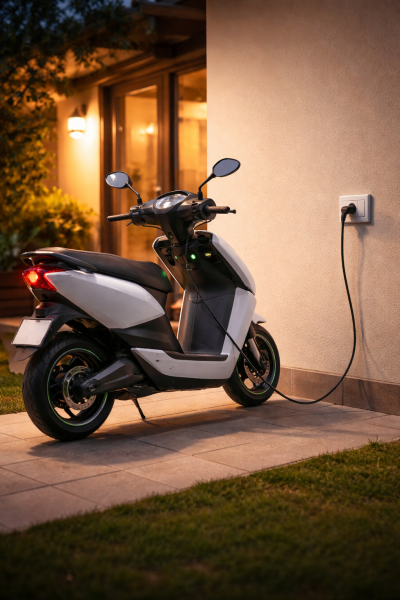
For urban commuters, the electric scooter has become the default choice in 2026.
Daily Running Cost: Running an e-scooter costs approximately ₹0.25 to ₹0.40 per km, compared to over ₹2.50 per km for petrol variants.
Battery Tech: 2026 models feature improved LFP (Lithium Iron Phosphate) batteries that offer 1,500+ charge cycles, effectively lasting 7–10 years for the average user.
Convenience: The rise of Battery-as-a-Service (BaaS) and swapping stations has virtually eliminated range anxiety for delivery partners and long-distance city riders.
VinFast India Drives Green Revolution: Unveils Maiden EV Showrooms in Hyderabad
🚗 EV Cars: Who Should Take the Plunge?
Buying an EV car in 2026 is a strategic financial move rather than just an environmental one, provided you meet specific criteria.
The Savings Math
| Feature | Petrol SUV (e.g., Nexon) | EV SUV (e.g., Nexon EV) |
| Fuel/Energy Cost (per km) | ~₹7.00 | ~₹1.30 – ₹1.50 |
| Monthly Cost (1,500 km) | ₹10,500 | ₹1,950 |
| Annual Savings | — | ₹1,02,600 |
Critical Checklist for Car Buyers:
Home Charging: Ensure your apartment or home supports a 15A socket or a dedicated 7.2kW wall-box charger.
Usage Pattern: If you drive over 1,200 km per month, you will likely recover the higher upfront cost of an EV within 3.5 to 4 years.
Highway Access: India now boasts over 29,000 public charging stations. Major highways (Delhi-Jaipur, Mumbai-Pune, Bengaluru-Chennai) now have fast chargers every 40–60 km.
DION Electric Vehicles: New E-Scooter Models Launched with High-Performance Tech
🛠️ Maintenance and Resale Value
One of the biggest corrections to 2026 misinformation is about battery life. In 2026, data from early adopters shows that modern EV batteries retain 85-90% health even after 1.5 lakh kilometers. Maintenance costs remain 60% lower than petrol cars because there are no oil changes, spark plugs, or complex transmission repairs.
🏁 Final Verdict: To Buy or To Wait?
Buy an EV Scooter NOW: If your daily commute is 20–60 km, the savings are too large to ignore.
Buy an EV Car: If you have a dedicated parking spot and prioritize a silent, high-torque driving experience for city use.
Wait: If you are a “Highway Warrior” who frequently drives 500+ km in a single stretch through remote areas where the charging grid is still maturing.
Disclaimer
The information provided in this article is for educational and informational purposes only and does not constitute professional financial, investment, or automotive advice. While we strive to provide accurate and up-to-date information regarding the EV market in 2026, the automotive industry, government policies, and infrastructure are subject to rapid change.
