

Mumbai. Wednesday, 15 April 2026
In today’s fast-paced digital economy, managing money is easier than ever—but so is overspending. With UPI payments, one-click shopping, and multiple subscriptions, your finances can quickly go off track without regular monitoring. That’s where a monthly finance review comes in.
A simple 30-minute audit each month can help you stay in control, reduce unnecessary expenses, and steadily grow your savings. Here’s a complete guide to auditing your 2026 budget effectively.
Why a Monthly Budget Audit Matters
A budget is not a one-time plan—it’s a living system that needs regular updates. Reviewing your finances every month helps you:
- Track where your money actually goes
- Identify wasteful spending habits
- Stay aligned with savings and investment goals
- Prepare for upcoming financial commitments
In 2026, with rising living costs and digital spending habits, this practice is no longer optional—it’s essential.
Step 1: Calculate Your Total Income
Start by listing all your income sources:
- Salary (in-hand)
- Freelance or side income
- Rental or passive income
- Investment returns
This gives you a clear base to plan your expenses and savings.
Step 2: Track All Expenses
Next, gather your spending data from:
- Bank statements
- UPI apps (Google Pay, PhonePe, Paytm)
- Credit card bills
Divide expenses into:
- Fixed expenses: Rent, EMIs, insurance
- Variable expenses: Food, travel, entertainment
- Occasional expenses: Medical bills, repairs
This step reveals your actual spending behavior—not what you think you spend.
Step 3: Categorize Your Spending
Organizing expenses into categories makes analysis easier:
- Essentials: Housing, groceries, utilities
- Financial: Loans, insurance, investments
- Lifestyle: Dining out, shopping, subscriptions
- Miscellaneous: Unexpected expenses
Once categorized, you can clearly see which areas need attention.
Step 4: Compare Budget vs Actual Spending
Now compare what you planned vs what you spent:
| Category | Budgeted | Actual | Difference |
|---|---|---|---|
| Rent | ₹15,000 | ₹15,000 | ₹0 |
| Groceries | ₹6,000 | ₹7,500 | +₹1,500 |
| Dining Out | ₹3,000 | ₹5,200 | +₹2,200 |
Focus on categories where you overspent and understand why it happened.
Job Market Shifts: The 2026 Shift: Beyond Software Engineering
Step 5: Identify Unnecessary Expenses
Look for “money leaks” such as:
- Unused subscriptions
- Frequent food delivery
- Impulse online purchases
- Duplicate services
Even small daily expenses can add up significantly over a month.
Step 6: Review Savings and Investments
Your budget should prioritize future security, not just present spending.
Ask yourself:
- Did I save at least 20–30% of my income?
- Are my SIPs and investments consistent?
- Do I have an emergency fund (3–6 months of expenses)?
If the answer is no, it’s time to rebalance your priorities.
Step 7: Adjust Your Budget Strategy
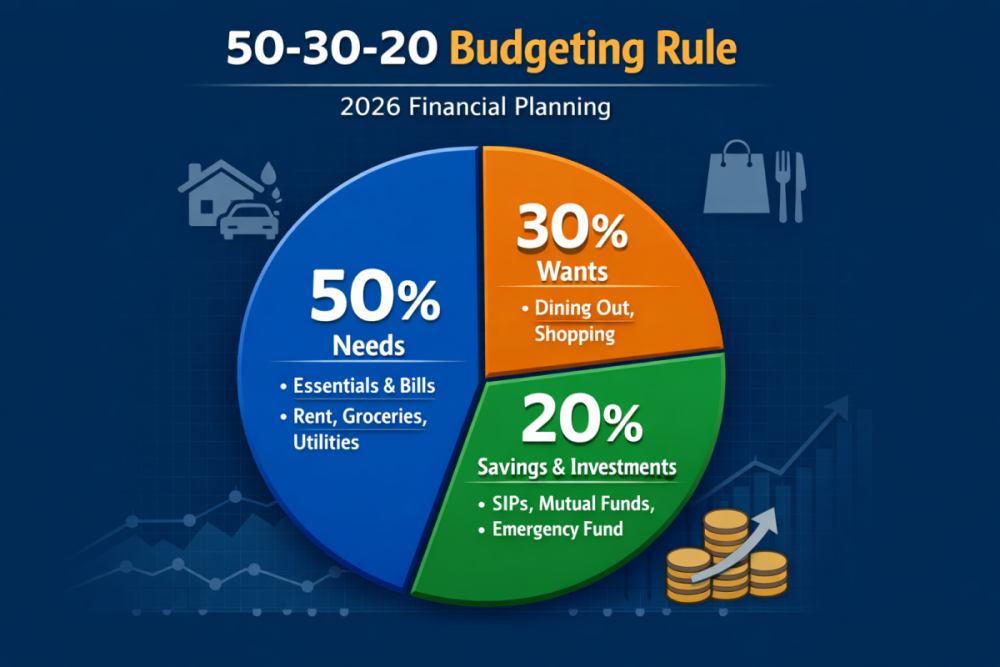
Use proven budgeting rules like:
- 50-30-20 Rule
- 50% Needs
- 30% Wants
- 20% Savings
Or adapt it to your situation, such as 40-30-30, especially if you’re focusing more on investments.
Step 8: Set Clear Financial Goals
A good audit ends with action.
Set practical monthly goals like:
- Save ₹10,000 this month
- Reduce dining expenses by 30%
- Increase SIP contribution
Clear goals make your budget purposeful and motivating.
Infrastructure & Growth: Lucknow–Kanpur Expressway Operational Rollout
Step 9: Automate Your Finances
Automation ensures consistency and discipline:
- Auto-transfer to savings account
- SIP auto-debits
- Scheduled bill payments
This reduces the risk of missed payments and impulsive spending.
Step 10: Plan Ahead
Finally, prepare for the next month:
- Account for upcoming expenses (festivals, travel, EMIs)
- Adjust spending limits based on past trends
- Increase savings gradually
Planning ahead prevents financial stress and surprises.
Local Economic Trends: Kanpur Mandi Bhav and Gold Price Updates
Conclusion
A monthly finance review is not about cutting every expense—it’s about making smarter choices with your money. In 2026, where digital convenience can lead to careless spending, regular budgeting is your strongest financial tool.
By dedicating just a small amount of time each month, you can:
- Build better financial habits
- Stay debt-free
- Grow your savings and investments
Start today—because financial success is built on consistent, small actions.
Disclaimer
Investments in Mutual Funds (SIPs), stocks, and other assets are subject to market risks. Past performance is not indicative of future results. Please consult with a certified financial advisor to assess your personal risk profile and financial goals.
