

New Delhi. Tuesday, 2 June 2026
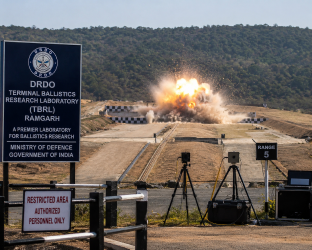
A spectacular video showing a massive explosion has taken social media platforms by storm. Accompanying the footage is an alarming narrative: a high-caliber bomb belonging to India supposedly detonated prematurely and accidentally during a trial run, causing an unmitigated disaster at a Defense Research and Development Organisation (DRDO) facility.
If you came across this video and felt a knot in your stomach, you aren’t alone. Images of heavy military explosions are inherently chaotic, making it incredibly easy for bad actors—or misinformed accounts looking for viral engagement—to twist the narrative.
However, official government sources and defense authorities have stepped forward to clear the air. The verdict? The claim is entirely fake. Here is a friendly, detailed breakdown of what actually happened during that defense trial.
What Does the Viral Footage Actually Show?
The video circulating online does not depict a safety breach, a technical failure, or a military mishap. Instead, it captures a highly successful, perfectly planned, and tightly controlled weapon test.
The trial was conducted by the Terminal Ballistics Research Laboratory (TBRL). For those unfamiliar with India’s defense infrastructure, TBRL is a premier arm of the DRDO. While the test range itself is located in Ramgarh, it sits within the Panchkula district of Haryana. TBRL specializes exactly in this field: studying the detonics, blast dynamics, and fragmentation effectiveness of high-caliber weapons.
The massive blast seen in the video was the intended goal of the experiment. When developing advanced weapons systems, scientists must detonate them under heavily instrumented conditions to measure their real-world impact, structural thresholds, and explosive yield.
Anatomy of the Misinformation: Why Was the Claim Misleading?
It is a classic social media trap. To an untrained eye, any large military explosion looks like an accident. By stripping the context away from routine defense research footage, the viral posts created a false narrative that directly undermines the public perception of India’s defense capabilities.
Authorities have explicitly emphasized the following corrections to the viral rumors:
No Safety Breach: The test followed strict security and engineering protocols.
No Premature Detonation: The bomb exploded at the exact microsecond it was programmed to.
No Casualties or Damage: Because it took place on a highly secure, specialized testing range, everything went entirely according to protocol.
The Danger of National Security Misinformation
This incident highlights a growing, worrying trend of misinformation targeting national defense matters. Weapon development cycles are complex and highly confidential, which often leaves a vacuum of information that rumor-mongers are quick to fill.
When spectacular footage of a successful test leaks or is shared out of context, it can quickly be weaponized to create panic or spread a narrative of incompetence. Checking official channels—like the DRDO’s public statements or verified defense journalism outlets—is always the best way to separate viral fiction from operational reality.
The next time you see a shocking headline about a military “disaster” on your feed, remember the Ramgarh test: sometimes, a giant explosion is just a sign of a job well done by defense scientists.
Related Links & Internal Resources
- Fact-Checking Hub: Browse our latest fact checks to protect yourself from online misinformation
