

New Delhi. Saturday, 20 June 2026
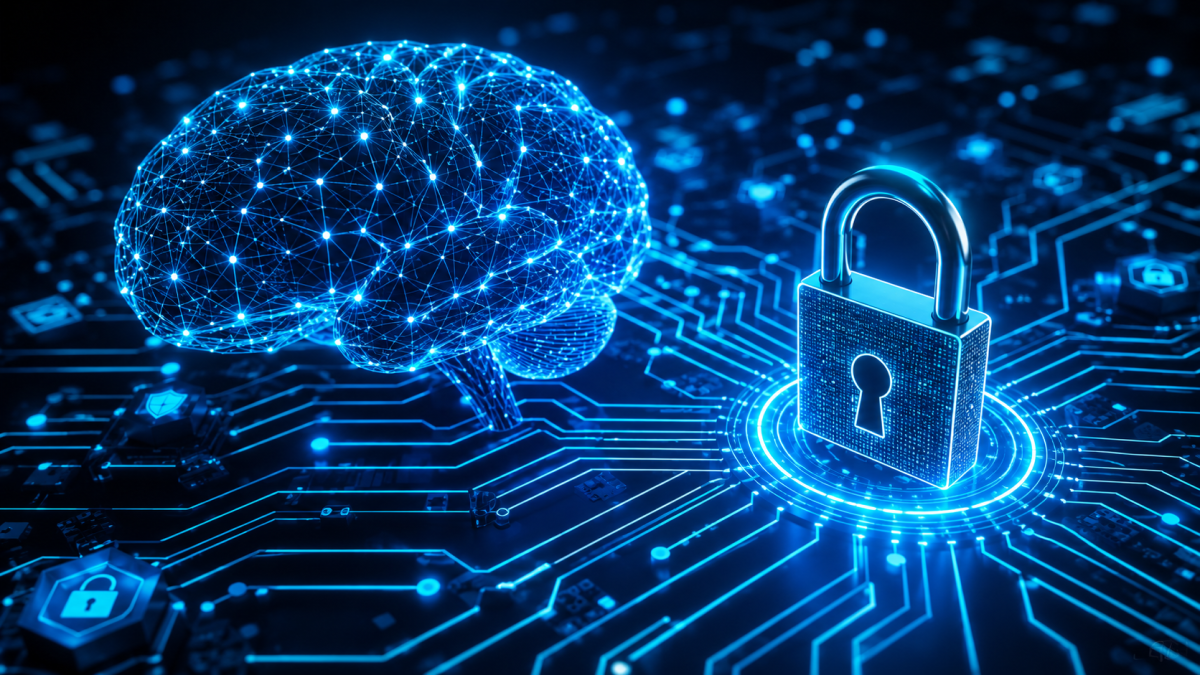
Artificial Intelligence (AI) has rapidly shifted from a futuristic concept to an everyday backbone for healthcare, financial systems, governance, and private businesses. However, this massive digital transition has opened fresh doorways for malicious actors. To combat these rising vulnerabilities, governments worldwide have stepped in, delivering an urgent AI cybersecurity advisory to reinforce technical defenses and protect citizens and corporate infrastructure alike.
Why Governments Acted: The Landscape of AI Cybercrime
The fundamental reason behind the sudden push for global advisory protocols is simple: the defensive security perimeter has shifted. Attackers no longer need deep coding knowledge to cause mass disruption; instead, they use automated platforms to orchestrate hyper-targeted schemes.
Government observation centers have flagged a sharp trajectory in specific AI-driven offenses:
AI-Generated Phishing: Crafting grammatically perfect, highly localized phishing materials at scale, eliminating the classic “broken English” warning signs.
Deepfake Fraud: Utilizing synthetic audio and video tracking to duplicate corporate executive permissions, misleading accounting teams into transferring massive enterprise funds.
Automated Malware Development: Leveraging commercial large language models to debug, modify, and optimize malicious payloads instantly.
Data Exploitation Risks: Employee data dumps into open AI systems, leading to massive organizational data breaches.
5 Critical Pillars of the AI Cybersecurity Advisory
To help organizations counter these emerging vectors, the regulatory text maps out five core operational benchmarks:
1. Protect Sensitive Data Assets
Enterprise networks must strictly forbid staff from exposing proprietary code, customer personal identifiable information (PII), or private financial files to public, non-enterprise AI portals. Organizations should enforce strict end-to-end data encryption and implement granular database access restrictions.
2. Mandatory Verification of Synthetic Media
Because deepfake accuracy continues to advance rapidly, files shouldn’t be accepted at face value. Corporate validation protocols must require cross-checking for odd pixel errors, unnatural speech cadences, and—where possible—the integration of cryptographic digital watermarking technologies to prove asset origin.
3. Hardening Infrastructure Controls
Basic password rules are no longer sufficient. Secure system setups require Multi-Factor Authentication (MFA) across every gateway, routine penetration testing, and immediate patching of zero-day exploits.
4. Robust AI Activity Logging & Vendor Audits
Any artificial intelligence program implemented internally must leave a clear, immutable audit trail. Organizations should map system logs carefully and run exhaustive risk evaluations on third-party AI vendors before linking them to core corporate databases.
5. Tailored Employee Awareness Training
Human error remains the primary access point for system breaches. Regular training campaigns must adapt to simulate modern AI threats, ensuring employees know how to spot hyper-realistic social engineering tactics.
Strategic Impacts Across Society
              ┌─────────────────────────────────────────┐
              │      AI CYBERSECURITY ADVISORY          │
              └────────────────────┬────────────────────┘
                                   │
         ┌─────────────────────────┼─────────────────────────┐
         ▼                         ▼                         ▼
┌─────────────────┐       ┌─────────────────┐       ┌─────────────────┐
│   BUSINESSES    │       │    CITIZENS     │       │   REGULATORS    │
│ • Vendor Audits │       │ • Verify Media  │       │ • Risk Mandates │
│ • Governance    │       │ • Limit Chat PI │       │ • Transparency  │
│ • Data Safeguard│       │ • Enable MFA    │       │ • Compliance    │
└─────────────────┘       └─────────────────┘       └─────────────────┘
The Commercial Burden
For businesses, ignoring these frameworks isn’t just an IT issue—it’s an operational risk. Falling short of data handling expectations can trigger staggering regulatory penalties, permanent loss of consumer trust, and immediate class-action liabilities.
The Everyday Citizen
For individual internet users, the advisory reinforces personal digital hygiene. This includes treating unverified communications with skepticism, stopping the disclosure of private life details to conversational bots, and alerting national reporting agencies to suspicious cyber activity right away.
The Road Ahead: Future AI Regulations
As security standards evolve, voluntary advisories will likely transition into enforceable laws. The global regulatory outlook points toward mandatory pre-deployment risk evaluations, strict transparency declarations for generative engines, and standardized watermarks for synthetic content to protect the public domain.
Frequently Asked Questions (FAQ)
What is an AI cybersecurity advisory?
It is an official regulatory guidance document published by government authorities to alert organizations and the public to new security threats linked to artificial intelligence, offering clear steps to mitigate those vulnerabilities.
How does AI make phishing more dangerous?
AI removes language and scaling limitations. Attackers can automatically scrape public profiles to create highly personalized, grammatically perfect emails targeting thousands of people at once.
Can public AI tools expose corporate secrets?
Yes. When users enter data into public AI platforms, that text is often processed and stored on external servers to further train the model, potentially exposing confidential corporate info to other users.
How do I identify deepfake audio or video?
Look for unnatural pauses, robotic inflections, blending around the jawline in videos, or mismatched background noise. When financial transfers or sensitive data are requested, always verify through a secondary, trusted communication channel.
Reference & External Resources
For more coverage on international public notices, policy frameworks, and regional security journalism, explore Matribhumi Samachar English.
Disclaimer: The information provided in this article is for educational and informational purposes only. It does not constitute formal legal or professional cybersecurity advice. Organizations should consult certified security consultants and legal counsel to build customized compliance programs.
