

Mumbai. Tuesday, 7 July 2026
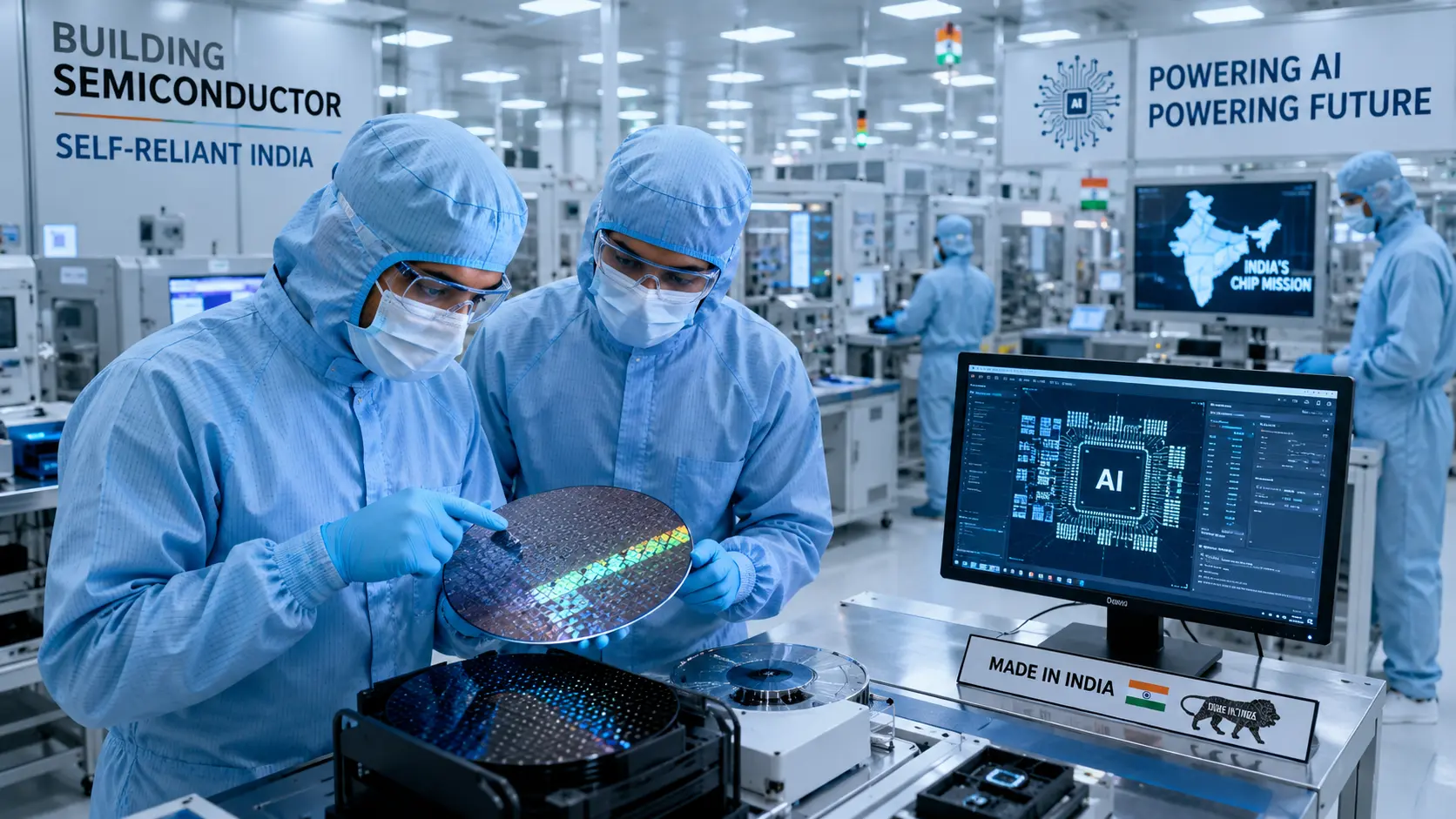
India is rapidly emerging as one of the world’s most ambitious destinations for semiconductor manufacturing. With multiple chip manufacturing, assembly, testing and packaging projects under development, the country is moving beyond being primarily a semiconductor design hub towards building a complete semiconductor ecosystem.
The latest developments have further accelerated India’s ambitions. The government has continued expanding the India Semiconductor Mission (ISM), while industry investments in fabrication, compound semiconductors, OSAT (Outsourced Semiconductor Assembly and Test) and advanced packaging are creating the foundation for a resilient domestic chip supply chain. Recent reports also indicate that the government is preparing Semicon 2.0, which is expected to broaden incentives beyond fabrication to strengthen the wider semiconductor ecosystem, including design, materials, research and packaging.
Why Semiconductors Have Become a Strategic Priority
Semiconductors power nearly every modern technology, including:
- Artificial Intelligence (AI)
- Smartphones
- Laptops
- Electric Vehicles (EVs)
- Data Centres
- 5G & 6G Networks
- Defence Systems
- Medical Equipment
- Industrial Automation
- Consumer Electronics
- Internet of Things (IoT)
As global demand for AI computing and high-performance chips grows, countries are investing heavily in semiconductor manufacturing to reduce supply chain risks and strengthen economic security.
India’s Latest Semiconductor Progress
India’s semiconductor strategy has gained significant momentum during the past year.
Key developments include:
- Multiple semiconductor projects approved under the India Semiconductor Mission.
- Expansion of semiconductor assembly and packaging capabilities.
- New investments in compound semiconductor manufacturing.
- Growth in semiconductor design centres.
- Increasing collaboration with global technology companies.
- Continued policy support through government incentive programmes.
According to official information, India has approved numerous semiconductor ecosystem projects involving investments worth more than ₹1.60 lakh crore, covering silicon fabrication, compound semiconductors, ATMP facilities, OSAT units and semiconductor design initiatives across several states.
Semicon 2.0 Could Expand India’s Chip Ecosystem
India’s semiconductor strategy is expected to move into its next phase through Semicon 2.0.
Industry reports indicate the programme may expand incentives beyond semiconductor fabrication to include:
- Semiconductor equipment
- Electronic materials
- Chip design
- Research & Development
- Testing and packaging
- Workforce development
- Supply chain localisation
Such an expansion would help create a more complete semiconductor value chain instead of focusing only on manufacturing plants.
AI Boom Is Increasing Demand for Advanced Chips
Artificial Intelligence has become one of the biggest drivers of semiconductor demand worldwide.
Large language models, cloud computing platforms, autonomous vehicles and enterprise AI applications require massive computing power supported by advanced processors and AI accelerators.
A stronger domestic semiconductor ecosystem can help India by:
- Supporting AI startups
- Reducing dependence on imported chips
- Improving hardware availability
- Strengthening data centre infrastructure
- Encouraging AI research
- Attracting global investments
As AI adoption accelerates across healthcare, finance, manufacturing and education, semiconductor demand is expected to continue growing rapidly.
Electronics Manufacturing Receives a Major Boost
India has already become the world’s second-largest mobile phone manufacturer.
The next step is increasing domestic value addition by manufacturing more semiconductor components inside the country instead of relying heavily on imports.
A stronger semiconductor ecosystem could support:
- Smartphone manufacturing
- Consumer electronics
- Automotive electronics
- Electric vehicles
- Medical devices
- Aerospace
- Defence electronics
- Renewable energy systems
- Industrial automation
This could improve export competitiveness while creating a more resilient electronics supply chain.
Employment Opportunities Across Multiple Sectors
The semiconductor industry generates employment across highly skilled and advanced manufacturing sectors.
Growing investments are expected to increase opportunities for:
- Chip Design Engineers
- Process Engineers
- AI Hardware Engineers
- Electronics Engineers
- Quality Assurance Specialists
- Research Scientists
- Semiconductor Equipment Technicians
- Manufacturing Professionals
- Supply Chain Experts
Universities and technical institutes are also expanding semiconductor-focused education and training programmes.
Global Companies Increasing Interest in India
Recent geopolitical developments and supply chain diversification have encouraged multinational companies to explore India as an alternative manufacturing destination.
India offers several competitive advantages:
- Large engineering workforce
- Strong software ecosystem
- Rapidly growing electronics market
- Government incentives
- Improving infrastructure
- Expanding AI ecosystem
- Stable long-term policy direction
These advantages are expected to attract additional investments over the coming years.
Challenges India Still Needs to Address
Despite impressive progress, several challenges remain.
These include:
- High capital investment requirements
- Access to advanced manufacturing equipment
- Semiconductor-grade raw materials
- Reliable water and power infrastructure
- Skilled workforce development
- Technology transfer
- Global competition
Experts note that execution, timely project completion and ecosystem development will determine India’s long-term success as much as policy announcements.
Outlook: Can India Become a Global Semiconductor Hub?
India may not replace established semiconductor leaders overnight, but its strategy is becoming increasingly comprehensive.
By combining fabrication, chip packaging, semiconductor design, AI infrastructure, electronics manufacturing and skilled talent development, India is building the foundations of a globally competitive semiconductor ecosystem.
If current investments continue and projects are executed on schedule, India could become one of the world’s most important semiconductor and electronics manufacturing destinations over the next decade while strengthening its position in AI, advanced manufacturing and digital technologies.
Frequently Asked Questions (FAQs)
1. Why is India investing heavily in semiconductors?
India wants to reduce dependence on imported chips, strengthen national security, support AI and electronics manufacturing, and become an important player in the global semiconductor supply chain.
2. What is the India Semiconductor Mission?
The India Semiconductor Mission (ISM) is the Government of India’s flagship initiative to promote semiconductor fabrication, packaging, design, research and manufacturing through financial incentives and ecosystem development.
3. How do semiconductors support Artificial Intelligence?
AI systems require powerful processors and specialised chips for training and inference. Better semiconductor manufacturing supports AI innovation by improving hardware availability and reducing supply chain dependence.
4. Which industries will benefit from India’s semiconductor expansion?
Smartphones, automobiles, electric vehicles, telecommunications, defence, healthcare, industrial automation, renewable energy, cloud computing and consumer electronics.
5. What are the biggest challenges for India’s semiconductor industry?
Major challenges include infrastructure, skilled manpower, technology access, high investment costs, supply chain development and timely execution of projects.
Disclaimer
This article is intended for informational and educational purposes only. Semiconductor policies, project approvals and investment announcements may evolve over time. Readers should refer to official Government of India announcements and company disclosures for the latest updates.
You may also read :
India ₹7280-Crore Rare Earth Permanent Magnet Scheme
