

New Delhi. Tuesday, 7 July 2026
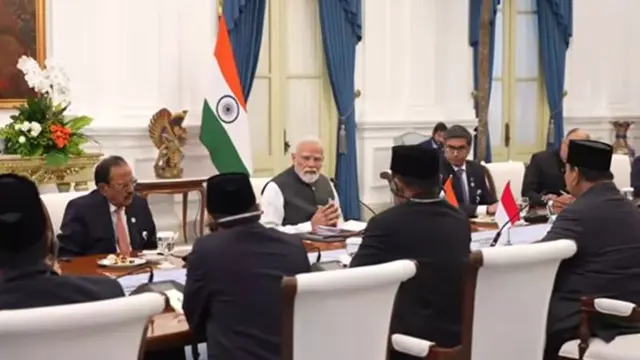
As the global race for green technology intensifies, securing a steady supply of raw materials has shifted from an economic necessity to a matter of top-tier national security. For India, accelerating its domestic manufacturing and clean energy transition requires an ironclad strategy to access essential resources. Recognizing this shifting landscape, New Delhi has significantly expanded its bilateral horizons, transforming its relationship with Jakarta into a pivotal economic and resource alliance.
With India pushing ahead on massive industrial upgrades, critical minerals have emerged as a cornerstone of strategic cooperation between India and Indonesia. This partnership sits alongside longstanding pillars like maritime security and trade, establishing a foundational framework for resilient supply chains across the Indo-Pacific.
Why Critical Minerals Form the Foundation of Modern Industry
Critical minerals are elements that face high supply risks but remain absolutely indispensable for advanced technologies, modern infrastructure, and defense systems. Without them, the global shift toward low-carbon energy would grind to a sudden halt.
The Most Crucial Raw Materials:
Nickel & Cobalt: Essential components for high-energy-density lithium-ion battery cathodes.
Copper: The literal backbone of electrical grids, wind turbines, and electric vehicle (EV) internal wiring.
Rare Earth Elements (REEs): Vital for producing permanent magnets used in EV motors and defense aerospace components.
Bauxite & Graphite: Necessary raw materials for structural lightweighting and battery anodes, respectively.
These minerals are integrated directly into the manufacturing pipelines for solar panels, semiconductor microchips, aerospace defense systems, and daily consumer electronics.
Indonesia’s Massive Strategic Advantage in the Global Supply Chain
Indonesia holds an enviable position in the global commodity market, laying claim to some of the world’s largest reserves of high-grade nickel. However, Jakarta’s real geopolitical leverage comes from its strict domestic policies. Over the last few years, Indonesia moved away from exporting unprocessed, raw ore, implementing mandates that require international companies to refine minerals locally.
This aggressive downstream processing strategy has attracted billions of dollars in foreign investment, turning Indonesia into a major manufacturing hub for EV battery components. For India, partnering with Indonesia is not just about buying raw commodities—it is an opportunity to tap into an established, sophisticated processing ecosystem right in its regional backyard.
Fueling India’s “Make in India” and Clean Energy Vision
India’s long-term industrial and climate targets are incredibly ambitious. The country is racing toward a massive expansion of electric mobility, domestic semiconductor fabrication, and expanding renewable energy deployment.
   [ Indonesia's Asset Base ]               [ India's Industrial Demand ]
Global Leader in Nickel Processing      Powering "Make in India" EV Ecosystems
Established Refining Infrastructure  ->  Securing Semiconductor Manufacturing Inputs
Strategic Indo-Pacific Proximity        Meeting 2030 Clean Energy Capacity Targets
Securing these resource pipelines directly impacts India’s ability to scale up manufacturing without facing sudden supply disruptions or extreme price volatility on the global market.
The Shift to “Friend-Shoring” and Resilient Supply Chains
Geopolitical tensions and unilateral export restrictions have exposed the profound fragility of centralized supply chains. To safeguard its economic future, India is actively pursuing a “friend-shoring” strategy—shifting its critical supply chains toward trusted nations that share mutual democratic and regional stability values.
A Multidimensional Framework for Bilateral Cooperation:
Long-Term Offtake Agreements: Ensuring a predictable, multi-year supply of refined nickel and battery inputs for Indian manufacturers.
Joint Exploration & Mining: Collaborative investments between public and private entities to discover and tap new mineral blocks.
Technology Sharing: Joint research into sustainable mining practices and advanced battery recycling methods to maximize resource efficiency.
This cooperation deeply enriches an existing strategic portfolio. The two nations already share dense ties through maritime exercises and regional diplomatic alignment under India’s Act East Policy.
Addressing the Challenges Ahead
While the economic synergy between New Delhi and Jakarta is clear, the path forward requires navigating a few complex structural hurdles:
Environmental Sustainability: Traditional nickel processing is highly carbon-intensive and relies heavily on coal power. Both nations must invest in cleaner, eco-friendly refining technologies.
Regulatory Coordination: Aligning investment frameworks, trade tariffs, and mining compliance laws across borders requires continuous diplomatic fine-tuning.
Market Volatility: Global mineral prices are notoriously cyclical. Stabilizing long-term investments against sudden market crashes remains a priority for private players.
By addressing these bottlenecks through transparent bilateral frameworks, India and Indonesia are well-positioned to turn critical minerals into the definitive strategic asset of the 21st century—ensuring regional autonomy and an uninterrupted green transition.
Relevant Links for Further Reading
To understand the broader context of India’s regional diplomacy, infrastructure integration, and modern defense strategies shaping the Indo-Pacific landscape, explore these comprehensive analyses from Matribhumi Samachar:
PM Modi Indo-Pacific Tour: Deepening Strategic Ties with Indonesia, Australia, and New Zealand – A detailed breakdown of India’s escalating diplomatic and economic engagement with key maritime neighbors under the Act East framework.
73rd Meeting of Network Planning Group under PM GatiShakti Evaluates Infrastructure Frameworks – Discover how India is engineering internal Energy, Mineral, and Cement Corridors (EMCC) to support advanced domestic manufacturing hubs.
AI and Technology Integration in Indian Defence Modernization – An exploration of how advanced technologies and secure hardware supply chains are reshaping India’s strategic autonomy and modern defense ecosystems.
Frequently Asked Questions (FAQ)
1. What are critical minerals and why are they important?
Critical minerals are raw metallic or non-metallic elements essential to modern industries, green energy tech, and national defense, but are highly vulnerable to supply chain disruptions.
2. Why is Indonesia vital for India’s electric vehicle (EV) ambitions?
Indonesia holds the world’s largest reserves of nickel, a core ingredient required to manufacture high-performance lithium-ion batteries that power electric cars and scooters in India.
3. What does “friend-shoring” mean in this context?
Friend-shoring is a economic strategy where a country sources raw materials and manufacturing components exclusively from trusted geopolitical allies to avoid dependence on volatile or single-source suppliers.
4. What challenges do India and Indonesia face in this mineral partnership?
The primary challenges include high carbon emissions from nickel refining processes, global price volatility, and the need to coordinate differing trade regulations between both countries.
Disclaimer: The information provided in this article is for educational and informational purposes only. It analyzes geopolitical trends, bilateral trade, and industrial supply chain frameworks based on current public policy data and should not be construed as direct financial or investment advice.
