

Mumbai.
- 1. AI Compute: Establishing the Infrastructure for India’s AI Economy
- 2. Semiconductor Manufacturing: Securing the Hardware Supply Chain
- 3. Quantum Technology: Long-Term Scientific R&D
- 4. Data Centres: Connecting AI Compute and Cloud Services
- 5. Power Infrastructure: Addressing the Energy Demands of Tech Hubs
- 6. Skilled Technical Talent: Converting Hardware Investments into Capability
- 7. Business Opportunities Across Domestic Industries
- 8. Primary Execution Bottlenecks
India’s next infrastructure push is moving beyond conventional physical foundations like highways, ports, and railway corridors. The country is shifting focus toward building the interconnected technological engine needed to power its digital economy.
Rather than viewing Artificial Intelligence (AI), semiconductor manufacturing, quantum computing, hyperscale data centres, power grid expansion, and specialized talent as standalone programs, India’s strategic model connects these sectors into a unified industrial ecosystem.
This transition marks a fundamental strategy shift: moving from consuming imported technology to establishing domestic computing capacity, strengthening manufacturing resilience, and securing a position in global technology value chains.
┌───────────────────────────────────────────────┐
│ AI Models & Advanced Digital Applications │
└───────────────────────┬───────────────────────┘
│ Driven by
┌───────────────────────▼───────────────────────┐
│ Data Centres & Cloud Infrastructure Capacity │
└───────────────────────┬───────────────────────┘
│ Powered & Built On
┌──────────────────────────┴──────────────────────────┐
│ │
┌───────────▼────────────┐ ┌────────▼───────────────┐
│ Power Grid & Utilities │ │ Hardware & Electronics │
│ (13.5GW+ DC demand) │ │ (Chips, OSAT, Fabs) │
└───────────▲────────────┘ └────────▲───────────────┘
│ │
└──────────────────────────┬──────────────────────────┘
│ Enabled by
┌───────────────────────┴───────────────────────┐
│ Specialized Technical Workforce & R&D Talent │
└───────────────────────────────────────────────┘
1. AI Compute: Establishing the Infrastructure for India’s AI Economy
Artificial intelligence is driving high demand for specialized compute resources. Developing native foundational models, processing complex datasets, and running large-scale generative workflows require high-performance graphics processing units (GPUs), accelerated server clusters, and scalable cloud environments.
Approved under the IndiaAI Mission with an outlay of ₹10,372 crore, national priority focuses on democratizing compute access for domestic researchers, early-stage startups, and academic institutions. Providing shared compute pools reduces upfront capital barriers, enabling local teams to build without maintaining private server hardware.
This shared compute architecture directly supports:
- Indic-Language AI Models: Developing natural language processing (NLP) architectures tailored for India’s diverse linguistic landscape.
- Public Sector Applications: Deploying automated diagnostic models in healthcare, crop yield monitoring in agriculture, and streamlined service delivery in civic administration.
- Enterprise Analytics: Supporting predictive operations and automation across domestic manufacturing and logistics hubs.
2. Semiconductor Manufacturing: Securing the Hardware Supply Chain
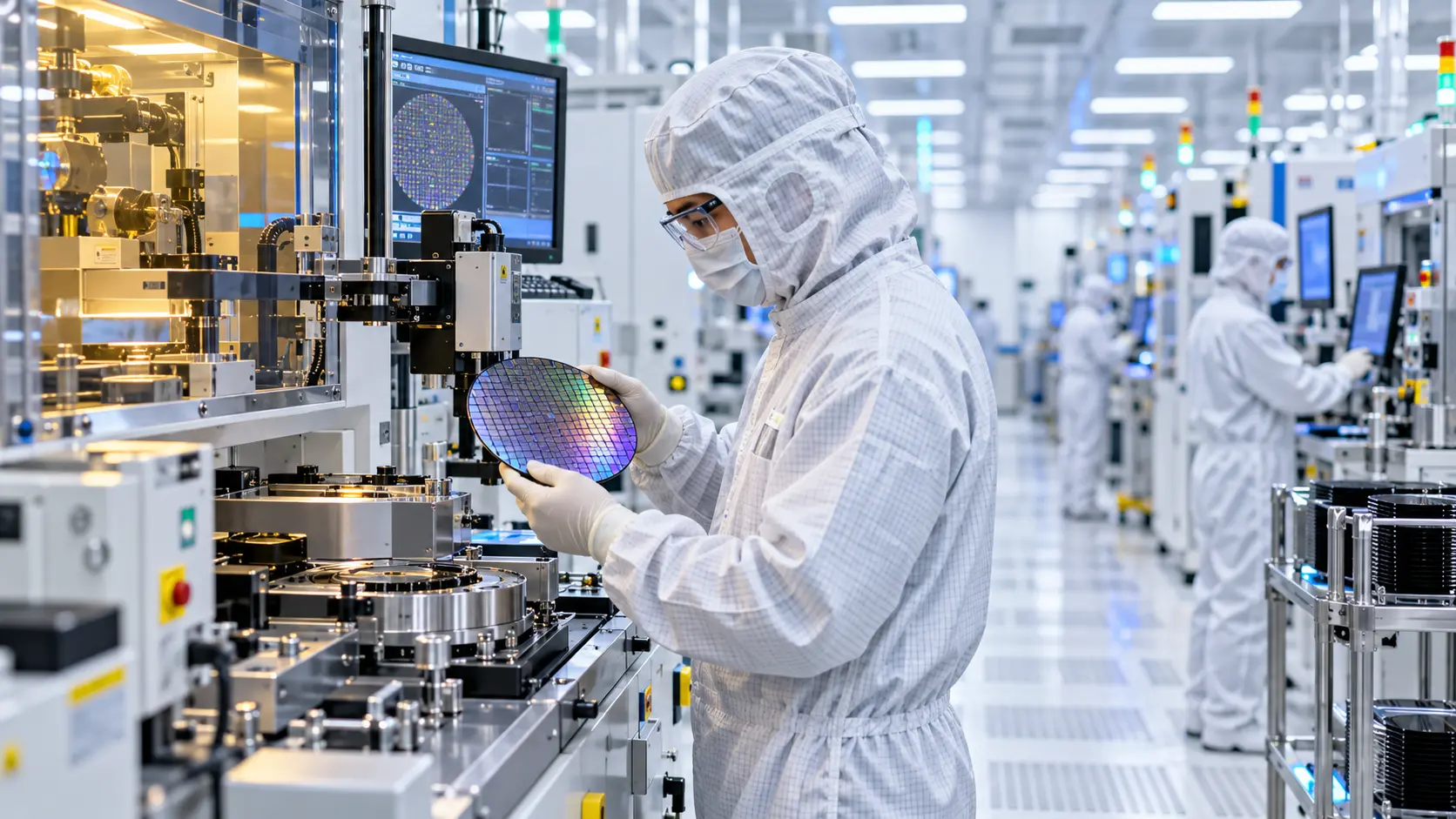
Software architectures and AI models rely directly on physical microchips. From high-density data centre GPUs and modern electric vehicles (EVs) to telecommunication towers and satellite payloads, microelectronics remain the foundation of digital infrastructure.
The initial Semicon India Programme introduced a ₹76,000-crore outlay to establish domestic capabilities across chip design, fabrication, assembly, testing, and packaging (OSAT).
Under the expanded Semicon India 2.0 framework, focus is broadening beyond standalone fabrication plants toward building a resilient industrial baseline:
| Ecosystem Sub-Layer | Functional Role in Supply Chain |
| Silicon Fabrication (Fabs) | Commercial processing of raw silicon wafers into integrated circuits. |
| Advanced OSAT / ATMP | Packaging, wire bonding, testing, and assembling dies into production-ready chips. |
| Chemicals & Industrial Gases | Supplying ultra-pure chemical inputs, cleanroom gases, and specialized reagents. |
| Domestic Chip Design (IP) | Expanding local fabless engineering firms to retain intellectual property rights inside India. |
According to reporting by Matribhumi Samachar, this industrial shift is expanding engineering requirements from traditional software assembly into specialized hardware engineering fields.
3. Quantum Technology: Long-Term Scientific R&D
While silicon semiconductors and classical computing handle current workloads, quantum systems represent a key technology investment for future security, precision, and research applications.
Operating under the National Quantum Mission with an approved outlay of ₹6,000+ crore, India is channeling targeted R&D funding across four core verticals:
- Quantum Computing: Developing physical qubit platforms to solve complex optimization and simulation problems.
- Quantum Communications: Building Quantum Key Distribution (QKD) channels to secure critical financial and defense networks.
- Sensing & Metrology: Constructing high-precision sensors for biomedical imaging, defense applications, and geological surveying.
- Quantum Materials: Engineering novel superconductors and topological materials for next-generation hardware.
Quantum technology operates on longer development timelines compared to classical IT. Its main value lies in deep scientific discovery, high-security communications, and complex material modeling rather than immediately replacing standard computing infrastructure.
4. Data Centres: Connecting AI Compute and Cloud Services
Data centres serve as the central physical facilities connecting high-performance hardware with end-user software services. Housing server racks, storage arrays, networking fabrics, and liquid cooling units, these facilities host the operational workloads for the broader digital economy.
As state policy frameworks evolve—such as recent state-level policies detailed by Matribhumi Samachar—hyperscale data centre development is shifting toward regional industrial hubs.
These hyperscale environments support digital applications including:
- Processing training runs and deployment pipelines for generative AI platforms.
- Hosting cloud services for private enterprise and public financial networks (e.g., UPI platforms).
- Storing municipal datasets under local data sovereignty and security regulations.
As rack power densities increase from standard 10 kW configurations toward 50–100 kW AI-optimized layouts, data centre growth depends directly on reliable power supply, industrial land allocation, and closed-loop cooling infrastructure.
5. Power Infrastructure: Addressing the Energy Demands of Tech Hubs
Electricity infrastructure is a key factor enabling digital growth. AI data centres, silicon cleanrooms, and automated plants require high-volume, uninterrupted power supplies with minimal voltage fluctuations.
┌─────────────────────────────────────────────────────────────────┐
│ Industrial Power Requirement │
└────────────────────────────────┬────────────────────────────────┘
│
┌───────────────────────┴───────────────────────┐
│ │
┌────────▼───────────────┐ ┌─────────▼─────────────┐
│ Hyperscale Data Hubs │ │ Silicon Cleanrooms │
│ Continuous high-density│ │ Ultra-stable voltage │
│ rack power requirements│ │ with sub-second backup│
└────────────────────────┘ └───────────────────────┘
Meeting these demands requires parallel updates to electrical infrastructure:
- Dedicated Transmission Corridors: Building high-capacity substation connections to supply industrial parks directly.
- Clean Energy Integration: Combining solar and wind power generation with battery energy storage systems (BESS) to maintain continuous power delivery for round-the-clock facilities.
- Advanced Cooling Facilities: Using closed-loop liquid and immersion cooling tech to control heat generation without excessive municipal water usage.
Coordinating grid expansion alongside digital infrastructure planning prevents power availability from becoming a bottleneck for local data centre capacity.
6. Skilled Technical Talent: Converting Hardware Investments into Capability
Building data centre halls and silicon cleanrooms requires an equipped technical workforce to operate these facilities efficiently. Specialized infrastructure demands multi-disciplinary skills spanning hardware engineering, materials science, and system operations.
┌─────────────────────────────────────────┐
│ Specialized Technical Workforce Needs │
└────────────────────┬────────────────────┘
│
┌───────────────────────┬─────────────┴─────────────┬───────────────────────┐
│ │ │ │
┌───▼───────────────┐ ┌───▼───────────────┐ ┌───────▼───────────┐ ┌───────▼───────────┐
│ Machine Learning │ │ VLSI & Microchip │ │ Cloud Operations │ │ Power Engineering │
│ & AI Engineering │ │ Design & Packaging│ │ & Cybersecurity │ │ & Smart Grids │
└───────────────────┘ └───────────────────┘ └───────────────────┘ └───────────────────┘
Closing the domestic skills gap requires coordinating action across educational institutions and industry:
- Academic Curriculum Upgrades: Incorporating VLSI design, semiconductor chemistry, and quantum optics into university and engineering degree programs.
- Cleanroom & Vocational Training: Partnering with Industrial Training Institutes (ITIs) to train technicians in precision manufacturing, equipment maintenance, and quality control procedures.
- Research Fellowships: Offering government and industry-backed research stipends under the National Quantum Mission and IndiaAI framework to retain technical talent locally.
7. Business Opportunities Across Domestic Industries
Expanding technology infrastructure creates operational opportunities for domestic businesses across multiple supply chains:
┌─────────────────────────────────────────────────────────────────┐
│ Commercial Opportunities for Indian Enterprise │
└────────────────────────────────┬────────────────────────────────┘
│
┌────────────────┬──────────┴───────────┬────────────────┐
│ │ │ │
┌────▼──────────┐ ┌───▼─────────────┐ ┌──────▼──────────┐ ┌───▼────────────┐
│ AI & Software │ │ Construction │ │ Electronics │ │ Technical │
│ Startups │ │ & Engineering │ │ Manufacturers │ │ Training Hubs │
└───────────────┘ └─────────────────┘ └────────────────┘ └────────────────┘
- AI Startups: Accessing subsidized public compute pools lowers early hardware expenses, allowing teams to prototype applications locally.
- Construction & EPC Contractors: Building data centres, semiconductor cleanrooms, and high-voltage transmission lines drives demand for specialized engineering and industrial construction.
- Electronics Manufacturing Services (EMS): Sourcing local components, packaged ICs, and circuit boards reduces logistics costs and improves supply chain security.
- Corporate Training Providers: Rising demand for technical roles creates market opportunities for specialized vocational training hubs.
8. Primary Execution Bottlenecks
Developing an integrated technological ecosystem involves managing key operational and financial challenges:
- High Capital Requirements: Constructing semiconductor fabrication facilities and purchasing AI compute clusters requires large upfront capital investments, long pay-back periods, and ongoing updates to avoid technology obsolescence.
- Global Supply Chain Dependencies: Establishing domestic packaging or assembly units does not eliminate reliance on foreign photolithography tools, specialized chemical inputs, or raw silicon wafers.
- Resource Allocation: Managing energy delivery and industrial water usage for high-density facilities requires careful regional planning to avoid straining local public utilities.
- Project Execution Timelines: Coordinating land acquisition, state-level environmental clearances, and grid connections across central and state authorities remains essential to prevent project delays.
Key Metrics to Monitor
Evaluating India’s technology infrastructure progress requires tracking key operational benchmarks rather than strategy announcements alone:
- Fab Commissioning & Production Yields: Tracking operational launch dates and production yields at approved semiconductor and OSAT facilities.
- AI Compute Allocation Rates: Measuring active user utilization and runtime hours across GPU clusters deployed under the IndiaAI Mission.
- Data Centre PUE Efficiency: Tracking Power Usage Effectiveness (PUE) scores and grid interconnection timelines across new hyperscale data facilities.
- Commercialization of Local R&D: Measuring patent filings, commercial spin-offs, and enterprise licensing generated from National Quantum Mission funding.
Connecting these strategy pillars—chips, compute capacity, energy distribution, and engineering talent—will determine India’s ability to build an integrated digital economy and strengthen its domestic industrial base over the coming decade.
Frequently Asked Questions (FAQ)
Q1: What is the primary focus of India’s new infrastructure strategy?
A: India’s current infrastructure strategy focuses on integrating AI compute resources, semiconductor manufacturing, data centres, power grid infrastructure, quantum research, and technical talent into a cohesive technology ecosystem to support the digital economy.
Q2: How does the IndiaAI Mission assist early-stage tech startups?
A: The IndiaAI Mission allocates funding to build shared high-performance computing infrastructure (GPU pools). This allows startups and research institutions to access processing power without purchasing costly hardware independently.
Q3: Why is power infrastructure critical for data centres and microchip fabs?
A: Microchip fabs and high-density AI data centres require continuous, high-volume power supplies and precise thermal management. Uninterrupted grid power and cooling capacity are necessary to keep these facilities operating smoothly.
Q4: What is the main difference between Semicon India and Semicon India 2.0?
A: While the initial Semicon India framework focused on setting up semiconductor packaging and fabrication plants, Semicon India 2.0 expands scope to build out broader supply chain inputs, including specialized chemicals, equipment, raw materials, and domestic chip design IP.
Disclaimer
This article is published for informational purposes based on current strategic infrastructure planning data and policy frameworks. Infrastructure project timelines, budgetary allocations, and corporate investment figures remain subject to policy modifications, regulatory updates, and market conditions. Readers are advised to verify operational project updates via official government portals.
