 Matribhumi Samachar English


New Delhi. Tuesday, 28 April 2026
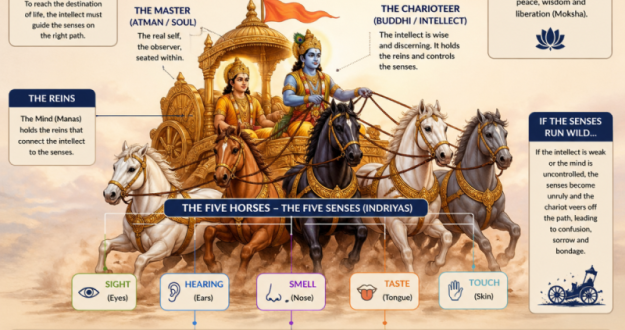
The Bhagavad Gita is far more than a religious text; it is a profound psychological treatise on the human condition. In a world characterized by “hustle culture,” burnout, and digital distraction, the Gita’s 700 verses offer a roadmap for mental resilience. By reading it daily, individuals can transition from a state of reactive stress to one of proactive clarity.
1. The Science of Inner Calm: Mastering the Gunas
The Gita categorizes human nature into three Gunas (tendencies): Sattva (goodness/clarity), Rajas (passion/ego), and Tamas (ignorance/inertia). Daily reading helps you identify which Guna is dominating your mind.
-
Correction: Many believe the Gita promotes passivity. In reality, it advocates for Karma Yoga—intense, selfless action. It doesn’t tell you to stop working; it tells you to stop worrying while you work.
2. Decision-Making and the “Arjuna Moment”
We all face “Arjuna Moments”—crises of identity where we don’t know the right path. Lord Krishna’s guidance focuses on Dharma (duty/righteousness) over personal preference.
-
Practical Insight: When faced with a tough choice, the Gita suggests asking: “What is my duty in this role?” rather than “What will I get out of this?” This shift removes the cloud of ego and clarifies the next step.
3. Detachment: The Antidote to Modern Anxiety
The most famous teaching—Nishkama Karma—is often misunderstood as “not caring about results.”
-
The Nuance: It actually means focusing 100% on the process. When you are fully present in the task, the quality of your work improves, and the anxiety regarding the future (which you cannot control) evaporates.
4. Self-Discipline and Cognitive Reframing
Daily reflection acts as a form of “Mental Hygiene.” It allows you to observe your anger or laziness as external forces rather than your core identity. This “distancing” is a key component of modern psychotherapy.
Relevant Links from Matribhumi Samachar
To explore deeper connections between ancient wisdom, mental health, and modern Indian culture, visit these specific resources:
-
Top 7 Powerful Mantras for Success, Protection, and Inner Peace (2026 Guide) Learn about the Gayatri Mantra for wisdom and clarity, which aligns with the Gita’s teachings on sharpening the intellect.
-
Spiritual Benefits of Fasting on Ekadashi and Hindu Vrats A deep dive into how self-governance and the ‘Sattvic’ lifestyle—major themes in the Gita—improve emotional balance.
-
International Safety Awards 2024: Focus on Wellbeing and Mental Health See how modern Indian organizations are increasingly integrating the concept of “wellbeing” into the workplace, reflecting the Gita’s message on duty and mental health.
-
The Divine Birth of Lord Krishna on Janmashtami Explore the cultural festivities and the timeless significance of Lord Krishna’s teachings in modern celebrations.
-
Indian Knowledge Systems: Connecting Ancient Wisdom and Modern Science Coverage of recent academic seminars (2026) exploring the profound connections between Vedic traditions and modern physics.
Final Thought
The Gita is a “living” book. It doesn’t change what you know; it changes who you are while you are knowing it. By dedicating just ten minutes a day to a single verse, you build a mental fortress that no external circumstance can breach.
Disclaimer
The information provided above is based on philosophical interpretations of the Bhagavad Gita and is not a substitute for professional medical advice, diagnosis, or treatment. Always seek the advice of your physician or a qualified mental health provider with any questions you may have regarding a medical or psychological condition. Reliance on any information provided in this article is solely at your own risk.