
New Delhi. Monday, 25 May 2026
A misleading video circulating on social media platforms, particularly Facebook, has gone viral by claiming that the Central Government of India is launching a new welfare initiative. The viral video falsely asserts that the government will distribute free electric bicycles to all citizens holding a valid Aadhaar card.
The post, heavily shared by an account named “Dealdukaaan99,” features a highly realistic video of Prime Minister Narendra Modi making the announcement. However, official verification confirms that this claim is entirely fake.
How Fraudsters Used AI to Mimic PM Modi
The Press Information Bureau (PIB) Fact Check unit quickly investigated the viral clip and identified it as a fabrication. Rather than authentic footage, the creators used advanced artificial intelligence (AI) video and voice-cloning tools to manipulate older, genuine recordings of the Prime Minister.
This technique, known as a deepfake, allows scammers to alter facial movements and clone distinct vocal patterns. By using the likeness of a prominent national leader, cybercriminals successfully lower the public’s guard to make fraudulent announcements seem authentic.
The Real Intent Behind the “Free E-Bike” Scam
Welfare schemes offering free electronics, vehicles, or cash subsidies are incredibly attractive, which is exactly why scammers use them as bait. According to cybersecurity experts, viral hoaxes like the “Free Electric Bicycle” scheme are designed with malicious intent:
Phishing for Personal Data: To claim the “free” item, users are usually redirected to external, unverified websites where they are asked to input sensitive data, including full names, phone numbers, and identity card details.
Financial Fraud: Many of these fraudulent registration portals eventually demand a small “processing fee,” “registration charge,” or “shipping tax” to clear the item. Once paid, the scammers disappear with the money.
Engagement Baiting: Some pages fabricate these videos simply to accumulate millions of views, likes, and shares rapidly, which increases the page’s value or allows them to monetize fake traffic.
Digital Safety: How to Verify Government Announcements
As artificial intelligence tools become more sophisticated, it is increasingly difficult to spot deepfakes through visual glitches alone. Instead, citizens must shift their focus to verifying the information through official channels.
1. Cross-Check with Official Portals
Any legitimate nationwide subsidy or welfare scheme launched by the Central Government will be explicitly documented on official platforms. Before entering your details anywhere, visit the centralized national repository for welfare schemes:
Check active programs directly on the official myScheme Portal.
2. Monitor Official Fact-Checking Handles
When a suspicious text message, WhatsApp forward, or Facebook video claims to offer massive free rewards on behalf of the government, look it up on the official media clarification platform.
You can view verified clearings of viral myths directly through the PIB Fact Check Portal.
3. Practice Strict ID Hygiene
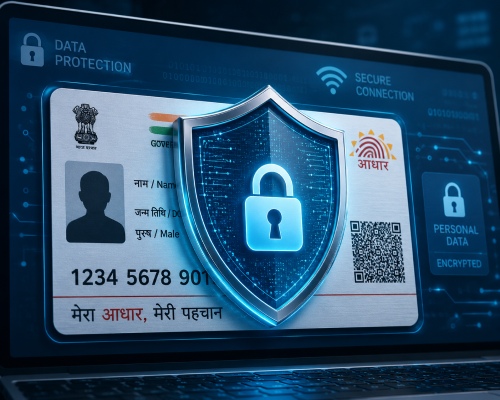
Your national identity documents should be handled with extreme care online. Never upload pictures, numbers, or scanned copies of your official cards to third-party links found on social media bio sections or random comment threads. Real government distributions will never process applications through unverified social media handles or independent e-commerce stores.
External Reference Note: For regional news coverage, local announcements, and mainstream press updates regarding digital security and regional policies in India, you can explore the English news section on Matribhumi Samachar.
