

New Delhi. Monday, 13 July 2026
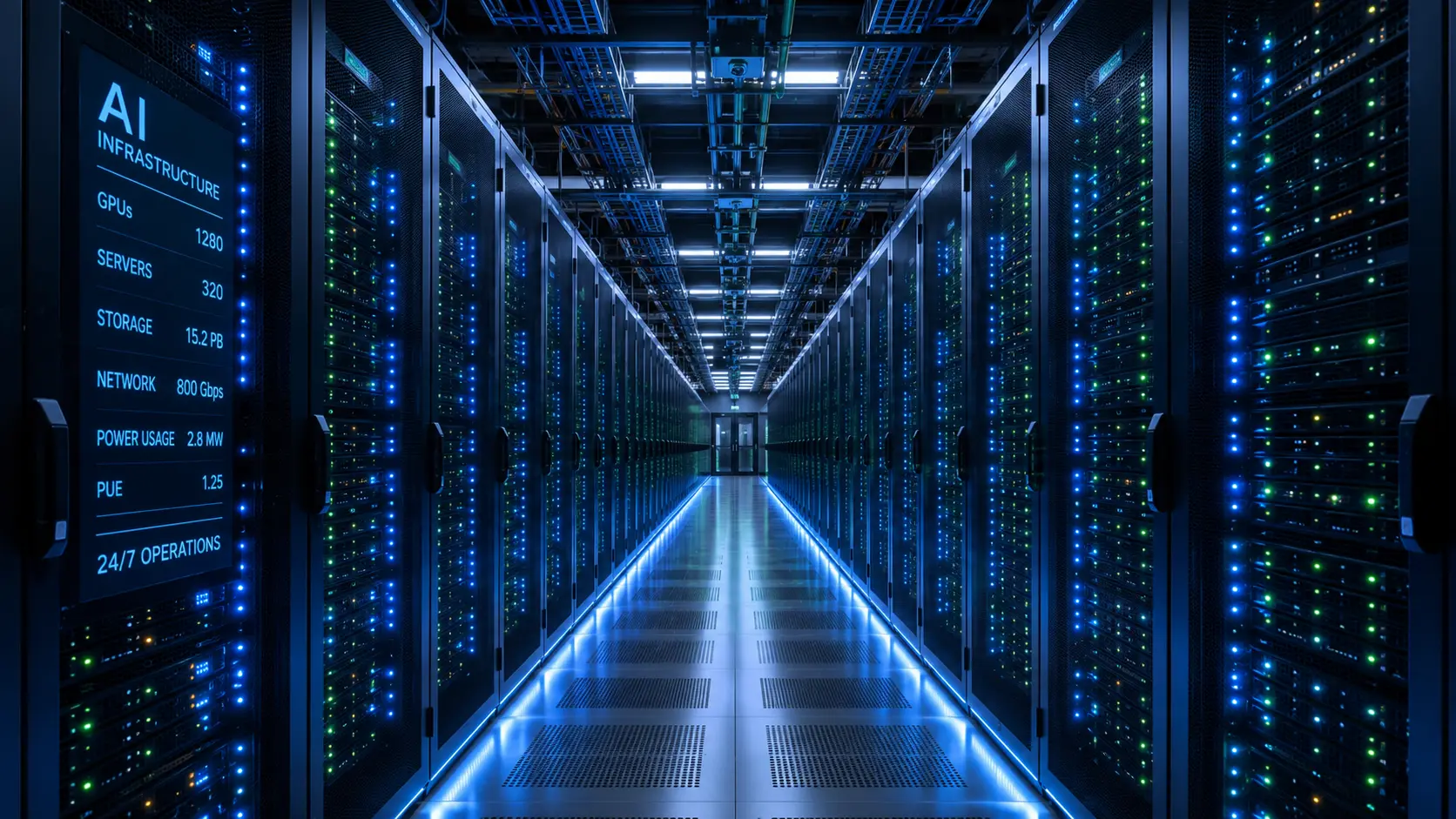
India’s rapid evolution into a global digital superpower has brought the nation to a critical crossroads. The unprecedented expansion of artificial intelligence (AI), cloud computing, and digital public infrastructure is driving an extraordinary surge in energy consumption. Hyperscale data centres—the physical engines behind every complex algorithm, chatbot, and cloud application—are quickly becoming the fastest-growing consumers of electricity in the country, placing immense structural strain on the national power grid.
The Perfect Storm: Record-Breaking Power Demand
India is no stranger to escalating energy needs. Recent summers have consistently broken records for peak power demand, traditionally fueled by rapid industrial expansion, massive urbanization, a booming manufacturing sector, and the exponential rise of domestic air conditioning.
However, the integration of advanced digital infrastructure introduces a fundamentally new variable to the equation. Unlike traditional industrial facilities that operate on variable shifts or seasonal schedules, AI data centres require continuous, uninterrupted base load power.
Inside the Energy Appetite of Artificial Intelligence
Why does AI require such a massive volume of electricity? The answer lies in the hardware. Modern AI infrastructure relies on thousands of high-performance Graphics Processing Units (GPUs) clustered together to work simultaneously.
Training vs. Inference: Training a cutting-edge large language model demands weeks or even months of uninterrupted, peak-capacity computation. Once deployed, these models require ongoing inference workloads to process live enterprise automation, image generation, and real-time customer queries around the clock.
The Cooling Premium: Packing tens of thousands of high-density servers into a single facility generates extreme heat. In India’s tropical climate, advanced cooling systems must work continuously to maintain operational temperatures, consuming a massive percentage of the facility’s total energy allocation.
Strategic Shift: Clean Energy and Grid Modernization
To navigate the dual challenges of soaring electricity costs and ambitious national carbon reduction targets, major technology companies are pivoting toward renewable energy. Tech giants and data centre operators are aggressively pursuing:
Power Purchase Agreements (PPAs): Long-term solar and wind contracts to secure predictable utility pricing.
Hybrid Storage Solutions: Pairing solar and wind farms with Battery Energy Storage Systems (BESS) to smooth out intermittent supply and guarantee 24/7 clean energy flow.
Simultaneously, the scale of this digital boom makes extensive grid modernization essential. Utilities and regulatory bodies are prioritizing investments in higher transmission capacities, digital monitoring tools, and smart grid technologies capable of balancing sudden load spikes with volatile renewable generation.
The Economic Battlefield: States Compete for Digital Infrastructure
The massive capital expenditure surrounding hyperscale data centres has ignited fierce competition among Indian states. Regions boasting robust fiber connectivity, readily available industrial land, a skilled technical workforce, and—most importantly—a reliable, renewable-heavy power supply are rapidly pulling ahead, shaping up to be the digital hubs of the next decade.
However, significant hurdles remain. Ensuring absolute grid reliability without compromising power availability for residential consumers is a delicate balancing act. Additionally, the heavy water consumption required by legacy data centre cooling systems is forcing the industry to rapidly pioneer and adopt highly efficient liquid and dry-cooling alternatives.
Ultimately, India’s ambition to establish itself as a dominant global AI ecosystem relies on the physical resilience of its energy framework. The future of the digital economy will be won not just by cutting-edge software, but by building a sustainable, highly modernized power grid capable of keeping the lights on for the engines of intelligence.
Frequently Asked Questions (FAQ)
Q1: Why do AI workloads consume more power than traditional cloud services?
AI tasks, particularly deep learning model training and real-time generative inference, require massive arrays of specialized GPU clusters working in parallel at maximum capacity. This requires far more electrical current per square foot than standard file storage or basic web hosting.
Q2: How are data centre operators addressing environmental sustainability in India?
Operators are aggressively investing in green energy certificates, hybrid wind-solar power purchase agreements, and on-site battery storage. Many are also transitioning away from water-intensive evaporative cooling to closed-loop liquid cooling technologies to minimize regional resource strain.
Q3: Can India’s current power grid handle the projected growth of hyperscale data centres?
While the current grid handles the load, the projected growth over the next decade requires significant, ongoing grid modernization. This includes upgrading transmission lines, building smart substations, and integrating automated balancing systems to handle rapid digital demand spikes.
Disclaimer
This article is for informational and educational purposes only. The structural insights and projections detailed above are based on prevailing market trends, infrastructure reports, and industrial energy data available as of July 2026.
Relevant Links and Coverage
For ongoing regional reporting on infrastructure developments, industrial growth, and national energy updates across India, please refer to the dedicated portals at Mathrubhumi Samachar English.
