

New Delhi. Updated on : Wednesday, 24 June 2026
The economic geography of rural India is shifting at an unprecedented pace. Moving far beyond traditional agricultural lenses, rural landscapes are adapting to modern commercial pressures. In 2026, a major evolution known as “Market-Linked Farming in North India” has taken root.
Faced with unpredictable climate variations, rising input expenses, and fluctuating open-market conditions, progressive farmers across Uttar Pradesh, Punjab, Haryana, and Bihar are stepping away from traditional cereal monoculture. Instead, they are turning toward high-value cash crops tightly aligned with global export demands, bio-energy initiatives, and the rapid expansion of urban quick-commerce networks.
The Top 5 High-Value Cash Crops Dominating the 2026 Fiscal Year
1. Basmati Rice: The Export Integration
Basmati rice remains a primary driver for agricultural export revenue in North India. Due to strict quality standards enforced in international markets like the European Union and the Middle East, growers have widely embraced Integrated Pest Management (IPM). Minimizing pesticide residue has stabilized wholesale prices for premium varieties like Pusa 1121 and 1509 at record highs, granting local producers direct entry into premium global markets.
2. Sugarcane: Driving the Ethanol Revolution
Sugarcane has successfully transitioned into a dual-purpose energy crop under India’s updated Biofuel Policy. Sugar mills are offering faster payment clearings to secure consistent feedstock supplies for ethanol blending. Furthermore, structural safety nets such as the Fair and Remunerative Price (FRP) provide strong financial support for growers, who are maximizing per-acre income by adopting trench planting and intercropping with high-value spices or pulses.
3. Mustard: Low Input, Climate-Resilient Yields
Mustard has emerged as an exceptionally reliable crop for the dry rabi seasons. Needing considerably less water than traditional wheat, it acts as a natural buffer against shifting environmental conditions. The widespread adoption of newly engineered heat-tolerant hybrid varieties allows the crop to withstand late-winter terminal heat, guaranteeing stable domestic oil supplies.
4. Controlled-Environment Horticulture
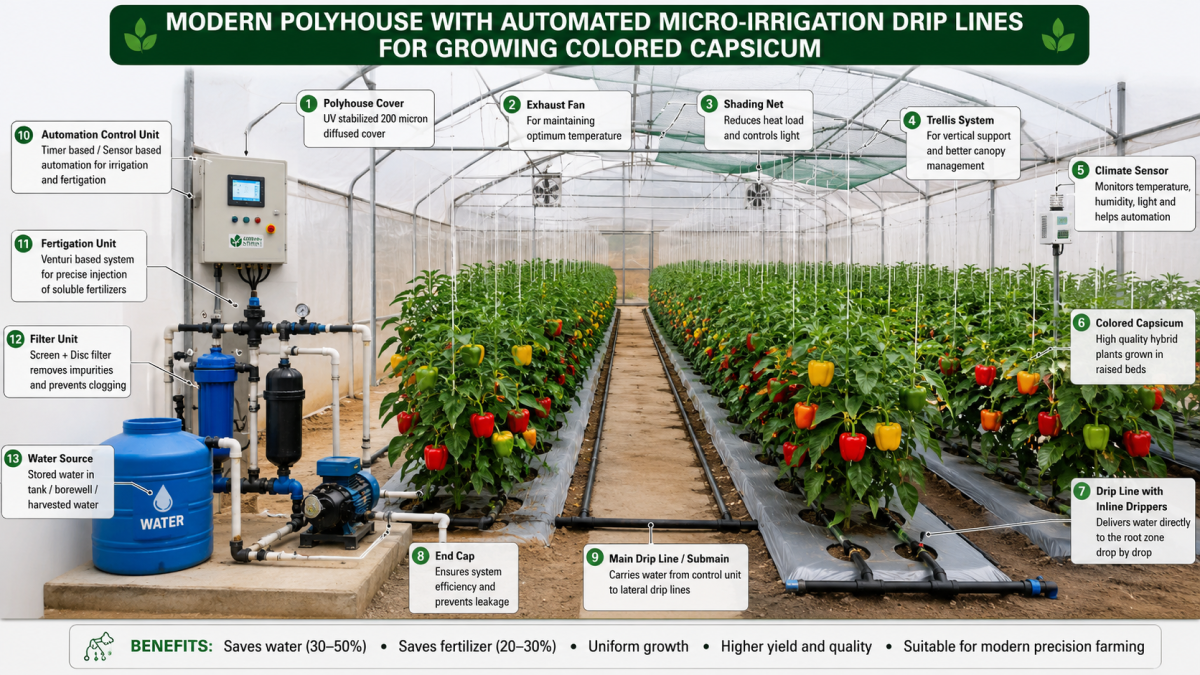
The massive expansion of “10-minute delivery” quick-commerce platforms in urban hubs like Delhi-NCR and Chandigarh has revolutionized vegetable cultivation. Farmers are moving away from traditional open fields to construct specialized polyhouses and net-houses. Growing premium seedless cucumbers, cherry tomatoes, and colored bell peppers allows them to sell directly to commercial B2B platforms, bypassing middlemen and increasing profits significantly.
5. High-Value Spices: The New Agronomic Frontier
Spices are proving to be a major financial success story in regions like South Haryana and Western Uttar Pradesh. Shifting weather patterns have created ideal microclimates for premium spice farming. High-grade cumin (jeera) and high-curcumin turmeric are seeing substantial demand from pharmaceutical and wellness industries. Additionally, their long shelf life provides an important advantage, allowing farmers to store their yields safely and wait out short-term market drops.
Strategic Support Systems Driving Modern Agriculture
This market-driven agricultural model relies heavily on advanced technological infrastructures and targeted policy execution. To handle shifting climate realities and optimize logistics, farmers are utilizing a variety of modern support systems:
Sovereign AI & Precision Earth Intelligence: Farmers are moving past manual land monitoring by utilizing advanced remote sensing tools. As highlighted by Matribhumi Samachar on Sovereign AI and Earth Intelligence, satellite imaging paired with data tools from platforms like AIKosh provides real-time predictive yield metrics, localized pest alerts, and exact soil moisture mapping.
Infrastructure Corridors: Fast transport is essential for delivering highly perishable controlled-environment crops to major cities. The expanding transit infrastructure—detailed in the Matribhumi Samachar Uttar Pradesh Infrastructure Report—serves as a high-speed conveyor belt connecting rural production zones with major urban logistics hubs.
Micro-Irrigation Subsidies: Programs like “Per Drop More Crop” (PDMC) provide deep financial subsidies for localized drip and sprinkler systems. This tech helps sustain high yields for resource-heavy crops even during erratic monsoon periods.
+------------------------------------------------------------+
|        THE MARKET-LINKED AGRICULTURAL FLYWHEEL 2026       |
+------------------------------------------------------------+
|                                                            |
|    [Precision Satellites] ---> Real-time Moisture Mapping  |
|              |                                             |
|              v                                             |
|    [Drip Irrigation Subsidies] ---> Controlled Water Use   |
|              |                                             |
|              v                                             |
|    [High-Value Cash Crops] ---> High-Quality Farm Yields   |
|              |                                             |
|              v                                             |
|    [Expressway Corridors]  ---> Rapid Urban Logistics      |
|                                                            |
+------------------------------------------------------------+
Key Market Insight: According to recent updates from the Matribhumi Samachar Agricultural Commodity Market Forecast, shifting mandi arrival volumes and proactive state procurement continue to establish solid price floors across primary agricultural segments, highlighting the growing importance of strategic storage and timing in market-linked farming.
Frequently Asked Questions (FAQs)
What is the concept of market-linked farming in North India?
Market-linked farming focuses on shifting agricultural production away from traditional, rigid crop cycles toward high-value varieties that align directly with real-time market demands, export opportunities, and processing industries.
How are quick-commerce platforms changing vegetable farming?
Quick-commerce networks require a fast, highly consistent supply of premium fresh produce. By growing crops within controlled net-houses and selling directly to these digital platforms, farmers bypass traditional wholesale yards, minimize transport spoilage, and retain a larger share of consumer spending.
Why are hybrid mustard and spices preferred over traditional cereals?
These crops offer a much stronger financial return relative to input expenses, require significantly less water than traditional winter wheat, and are better suited to withstand unexpected seasonal temperature spikes.
Disclaimer
The agricultural insights, policy explanations, and commodity trends presented in this article are intended strictly for educational and informational purposes. Farming profits depend on a wide variety of localized factors, including weather conditions, soil health, regional infrastructure, and broader market variations. Readers should perform independent research and consult certified agronomic and financial experts before making significant agricultural investment adjustments.
