 Matribhumi Samachar English


New Delhi. Updated : Wednesday, 3 June 2026
Fasting in Hinduism is far more than a simple dietary restriction; it is an ancient, highly sophisticated technology designed to elevate human consciousness. Referred to as Upavasa, the Sanskrit term literally translates to “sitting near” the Divine. Whether it is the bi-monthly observance of Ekadashi or the structured twilight devotion of Pradosham Vrat, these sacred windows serve as a functional bridge connecting the physical body to deeper metaphysical awareness.
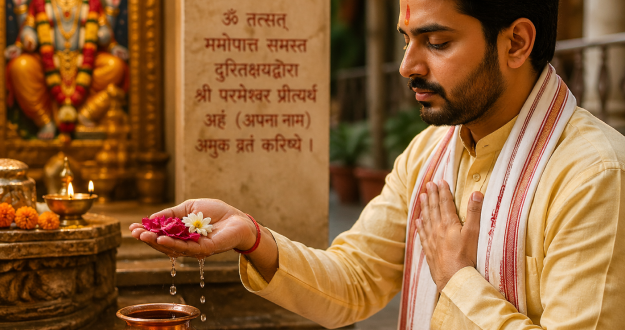
A Vrat (vow) represents a dedicated period of conscious self-governance. It begins with a Sankalpa—a formal, intentional resolution—to temporarily abstain from certain physical pleasures or specific foods to achieve a higher spiritual or material objective. While modern perspectives often mistake it for mere physical penance, the true design of a Vrat is to redirect the vast amounts of energy typically consumed by digestion toward cellular repair, higher brain functions, and meditative states.
The Spiritual and Biological Science of Ekadashi Fasting
Ekadashi occurs regularly on the 11th day of both the Shukla Paksha (the waxing moon) and the Krishna Paksha (the waning moon). Traditionally dedicated to Lord Vishnu, it is widely revered as the “Mother of all Fasts.” Far from being an arbitrary calendar marker, its timing relies on a deep understanding of cosmic and human rhythms.
1. Lunar Alignment and Emotional Equilibrium
Ancient Vedic texts suggest that during the 11th lunar day, the moon’s gravitational pull exerts a peak influence on the water content within the human body. Because our minds and emotions are closely tied to these internal fluid dynamics, this shift can trigger restlessness or emotional turbulence. Fasting on this day minimizes fluid retention and digestive heaviness, effectively neutralizing the lunar pull. This helps create a “still lake” in the mind, providing the perfect psychological foundation for deep meditation.
2. Deep Cellular Detoxification via Autophagy
Modern medical science heavily emphasizes the value of autophagy—a crucial cellular housekeeping process where the body breaks down, cleans out, and recycles damaged proteins and malfunctioning cellular components. Hindu sages integrated this biological reset into the fabric of life thousands of years ago, framing it as the purification of the Annamaya Kosha (the physical food sheath). Periodic abstention from heavy foods gives the metabolic system a break, triggering cellular rejuvenation.
3. Spiritual Merit and Chanting
According to the Padma Purana, observing Ekadashi sincerely helps clear accumulated negative karma. However, true success relies on replacing physical consumption with spiritual absorption. The void left by food should ideally be filled with Nama Smaran (meditative chanting of the Divine name) and scriptural study.
Significance of Other Major Hindu Vrats
Beyond Ekadashi, the traditional calendar maps out specific fasts tailored to distinct planetary energies and spiritual archetypes:
-
Monday Vrat (Somvar): Dedicated to Lord Shiva, this fast is traditionally kept to master erratic emotions and gain mental clarity. Because the Moon (Chandra) rules the subconscious mind and sits perched on Shiva’s head, this fast symbolizes the intellect ruling over impulsive desires.
-
Navratri (The Nine Nights of Transformation): A comprehensive, collective spiritual “reboot” that cycles through three vital phases of inner work:
-
Days 1–3: Removing deep-seated emotional and mental impurities (Goddess Durga).
-
Days 4–6: Cultivating essential inner virtues and strength (Goddess Lakshmi).
-
Days 7–9: Attaining higher wisdom and self-realization (Goddess Saraswati).
-
-
Mahashivratri (The Night of Awakening): Unlike standard daytime fasts, Mahashivratri centers around a night-long vigil (Jagaran). This represents a conscious transition from the habitual “sleep” of spiritual ignorance to the vibrant “wakefulness” of absolute self-realization.
Traditional Ayurvedic Insights
In Ayurveda, the physical body’s health is entirely dependent on Agni (the central digestive fire). Overeating, chaotic eating schedules, and heavy, chemically processed foods gradually weaken this fire, leading to the accumulation of Ama (metabolic toxins).
Ekadashi and Pradosham fasting serve as targeted therapeutic interventions to allow Agni to rekindle naturally. This flushes out stored toxins, restores systemic lightness, and heightens the nervous system’s capacity for spiritual practice.
How to Avoid the “Fasting Feast” Trap
A common pitfall in contemporary practice is turning a sacred fast into a “fasting feast” by consuming large amounts of heavy, oily snacks like deep-fried Sabudana Vada or heavily spiced potato chips. This defeats the biological and spiritual purpose of the Vrat, causing immediate lethargy and digestive strain.
Core Sattvic Principles for an Effective Vrat:
-
Clear Intention: Always begin the morning with a focused Sankalpa, explicitly stating the purpose of your discipline.
-
Embrace Silence (Mauna): Try to maintain complete silence for at least a couple of hours. Meaningless speech drains a massive amount of Prana (vital life-force energy).
-
Practice Charity (Dana): A Vrat remains incomplete without conscious giving. Share food, clothes, or resources with those in need to actively break the ego’s instinct to possess.
Scriptural Clarification on Exemptions:
A widespread misconception dictates that one must starve through a fast even during illness. The Shastras (scriptures) clearly state that young children, the elderly, pregnant individuals, and those managing medical conditions are entirely exempt from rigid physical starvation. For them, Manasa Vrat (deliberate mental discipline, kindness, and focus) is considered far superior to physical deprivation.
The Pradosham Vrat Sattvic Meal Plan
Pradosham Vrat is observed during the highly sensitive twilight window (Pradosh Kaal) on the 13th lunar day (Trayodashi). Using a clean, easily digestible meal plan keeps your energy levels entirely stable while ensuring peak mental focus for evening prayers.
The One-Day Fasting Structure
Related Cultural and Spiritual Insights
To explore more about how ancient Vedic sciences translate into modern daily life, read our detailed guides on related traditions:
-
Learn about the underlying energetic and neurological framework of traditional marks with The Spiritual Science of Tilak: Why This Ancient Hindu Tradition Matters Today.
-
Discover how to establish a resonant, calm space for your fasting practices by reading Vastu Shastra: The Ultimate Guide to Home Temple Placement for Peace and Prosperity.
-
Complement your fasting routine with a simple, structured contemplative practice using our step-by-step approach to Performing Simple Shiva Puja at Home on Mondays: A Complete Guide.