

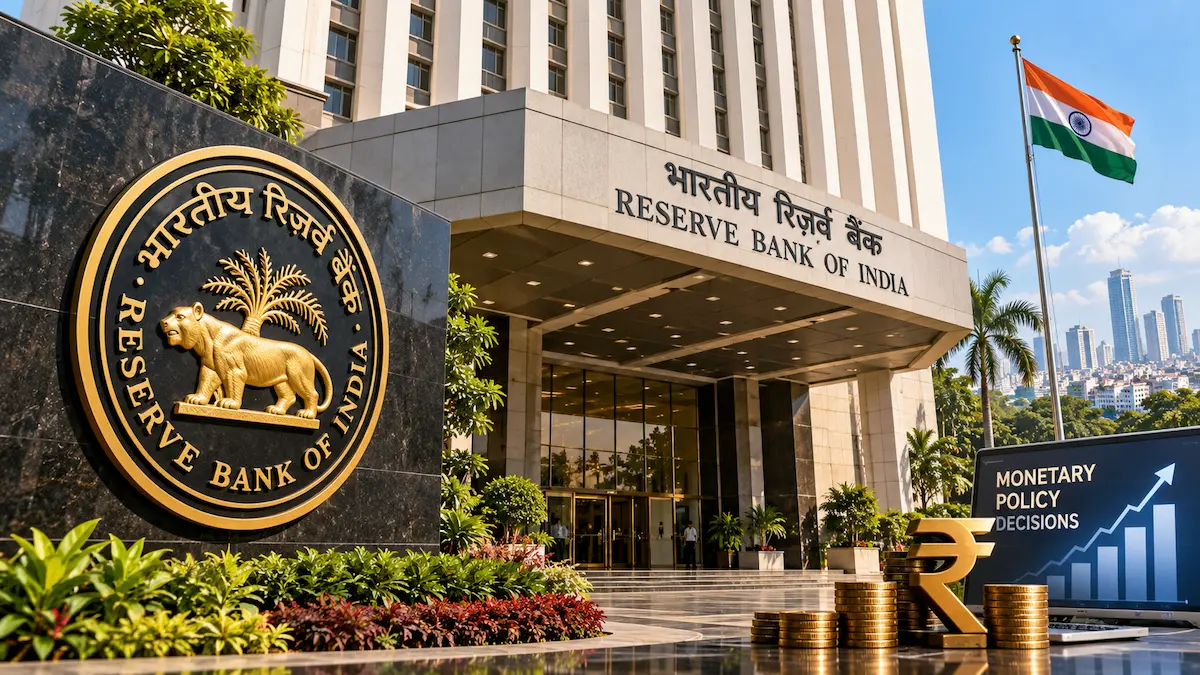
Mumbai.
The Reserve Bank of India (RBI) is heading into its October 2026 Monetary Policy Committee (MPC) meeting with economists increasingly expecting a 25-basis-point (bps) increase in the benchmark repo rate, taking it from 5.25% to 5.50%.
The MPC is scheduled to meet from October 5 to 7, 2026, with the policy decision expected on October 7. A majority of economists surveyed recently expect a 25-bps hike. If delivered, it would mark the RBI’s first repo-rate increase since February 2023.
Why Is the RBI Expected to Raise Rates?
Inflation Has Started Moving Higher
India’s retail inflation accelerated to 4.82% in August 2026 from 4.45% in July. The August reading was above the RBI’s medium-term inflation target of 4% for the third consecutive month. Food and energy costs have become primary concerns, while policymakers monitor whether price pressures broaden across the economy.
Crude Oil Prices Are Creating a Fresh Inflation Risk
Crude oil prices remaining above $100 per barrel have amplified concerns over imported inflation. Higher energy costs elevate transportation and manufacturing expenses, eventually feeding into end-consumer prices. For the central bank, preventing an extended oil shock from anchoring higher inflation expectations is critical.
India’s Economic Growth Remains Strong
A primary reason the RBI has leeway to tighten policy is resilient domestic growth. India’s GDP expanded by 7.8% in the April-June quarter of 2026, comfortably outpacing the RBI’s earlier baseline projections of 6.7%. Strong credit growth further indicates robust economic momentum.
The Rupee Has Faced Pressure
The Indian rupee has depreciated against the US dollar during 2026, driving up the import costs of essential commodities. A calibrated 25-bps rate increase can help maintain the yield differential of Indian assets and cushion currency volatility.
Global Interest Rates Have Become Less Supportive
International central banks continue to monitor renewed inflation risks, keeping global bond yields firm. This shifting foreign environment narrows the RBI’s scope to remain on a prolonged hold without risking price instability.
What Are Economists Forecasting?
Recent surveys indicate a strong consensus for a 25-bps rate hike to 5.50% in October. Some analysts anticipate another follow-up 25-bps hike later in the year to 5.75%, depending on the trajectory of crude oil, global yields, and foreign exchange movements.
Why 25 Bps Rather Than a Larger Hike?
Economists advocate for a gradual, measured calibration rather than aggressive tightening. A 25-bps shift signals proactive risk management against inflation without delivering a shock to economic activity or credit demand.
Key Indicators to Watch After the October MPC Meeting
- Monthly Retail CPI Inflation readings and food price stability.
- Crude Oil Trends and global energy benchmarks.
- Indian Rupee (INR/USD) Exchange Movements.
- Domestic GDP & Consumption Growth Momentum.
- Bank Credit Growth and domestic borrowing activity.
- Banking System Liquidity Operations by the RBI.
- Household & Business Inflation Expectations.
Impact of a 5.50% Repo Rate
- For Borrowers: Upward pressure on retail lending rates, increasing costs for new and floating-rate loans (e.g., home and auto loans).
- For Depositors: Commercial banks may raise fixed deposit (FD) interest rates over time to attract stable liquidity.
- For Markets: Equities and rate-sensitive sectors (Real Estate, Auto, Banking) may experience short-term volatility as costs of capital recalibrate.
Frequently Asked Questions (FAQ)
Q1: When is the RBI MPC October 2026 meeting scheduled?
Ans: The Monetary Policy Committee (MPC) is scheduled to meet from October 5 to October 7, 2026, with the announcement taking place on October 7.
Q2: What is the current repo rate in India?
Ans: The benchmark repo rate currently stands at 5.25%.
Q3: How does a repo rate hike affect home loan EMIs?
Ans: An increase in the repo rate raises borrowing costs for commercial banks, leading to higher floating home loan interest rates and elevated Equated Monthly Installments (EMIs) for borrowers.
Related Links & Further Reading
For more updates on Indian economy trends, business coverage, and real-time financial reporting, visit the Matribhumi Samachar official portals:
- English Coverage: Matribhumi Samachar English Portal
- General Repo Rate Reference Guide: RBI Repo Rate and Economic Principles
Disclaimer
This article is intended strictly for informational and educational purposes. The interest rate projections, economic forecasts, and policy estimations contained herein represent analyst and consensus opinions. Readers should seek financial guidance or consult official releases from the Reserve Bank of India (RBI) before making investment or loan decisions.
