
New Delhi. Sunday, 10 May 2026
While often mentioned in the same breath, Yoga and Meditation represent two distinct pillars of holistic health. In the modern wellness landscape of 2026, the lines have blurred further with the rise of “Mindful Movement,” but understanding their unique mechanisms is key to unlocking their full benefits.
What Is Yoga? More Than Just Stretching
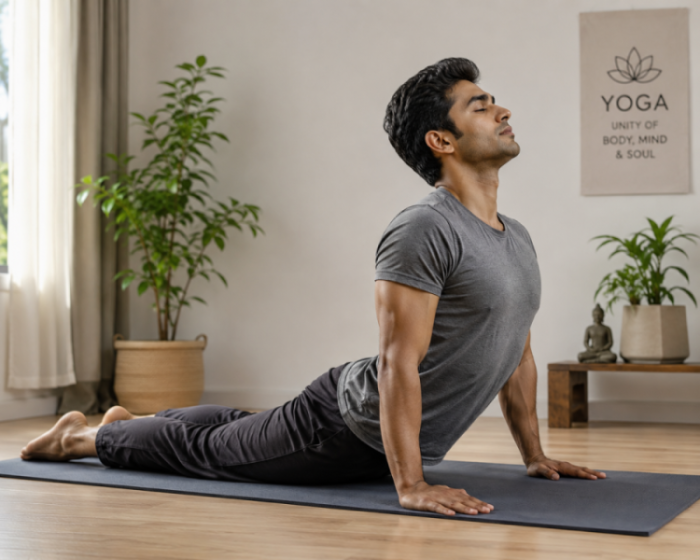
Yoga is a comprehensive “science of living” that originated in ancient India. While Western audiences often view it as a fitness routine, it is actually a holistic system designed to align the body, breath, and mind.
The Core Pillars of Yoga
Asanas (Postures): Physical movements designed to build strength and flexibility.
Pranayama (Breathing): Techniques like Nadi Shodhana (alternate nostril breathing) that regulate energy.
Dharana (Concentration): The practice of fixing the mind on a single object, which serves as the bridge to meditation.
Emerging Trends in 2026
Recent studies have highlighted Somatic Yoga, which focuses on the internal experience of movement rather than perfect alignment. This shift emphasizes trauma-informed practice, making yoga more accessible for mental health recovery.
What Is Meditation? The Art of Mental Stillness
If Yoga is the training of the body to support the mind, Meditation is the direct training of the mind itself. It is the practice of intentional focus to reach a state of mental clarity and emotional calm.
Popular Techniques
Mindfulness (Vipassana): Observing thoughts and sensations without judgment.
Transcendental Meditation (TM): Using a specific mantra to settle the mind into a state of “restful alertness.”
Digital Detox Meditation: A 2026 trend involving guided sessions specifically designed to counter “AI-fatigue” and screen overstimulation.
Key Differences at a Glance
| Feature | Yoga | Meditation |
| Primary Domain | Physical & Energetic | Mental & Emotional |
| Activity Level | Active (Kinetic) | Still (Passive) |
| Primary Goal | Integration of body and spirit | Mastery of thought and awareness |
| Physical Benefit | Flexibility, strength, and posture | Reduced cortisol and improved sleep |
How They Intersect: The Synergy
The traditional sequence is Yoga → Meditation. By performing physical postures first, you release the “restless energy” stored in the nervous system. This makes the body comfortable enough to sit still for extended periods without pain or distraction.
Possible Corrections to Common Myths
Myth: “You must be flexible to do Yoga.”
Correction: Flexibility is a result of yoga, not a prerequisite.
Myth: “Meditation is about emptying the mind.”
Correction: It is about observing the mind. Trying to force a “blank” mind often leads to more stress.
Which One Should You Choose?
Choose Yoga if: You feel physically stagnant, have back pain, or need a “moving meditation” to stay engaged.
Choose Meditation if: You struggle with racing thoughts, anxiety, or need a practice you can do anywhere (even on a bus or at a desk).
A Simple 15-Minute Combined Routine
5 Minutes: Sun Salutations (Surya Namaskar) to warm up the blood.
5 Minutes: Alternate Nostril Breathing (Pranayama) to balance the brain hemispheres.
5 Minutes: Silent seated observation of the breath.
By combining these, you address the “Full Human Experience”—treating the body as a temple and the mind as its silent guardian.
For a deeper dive into how these practices affect local communities and global health trends, explore these resources:
Disclaimer
Yoga involves physical movement that may not be suitable for everyone. Before starting any new exercise regimen, particularly if you are pregnant, nursing, or have pre-existing injuries or chronic conditions (such as high blood pressure or joint issues), consult with a healthcare professional. Practicing yoga postures incorrectly may lead to injury; we recommend practicing under the guidance of a certified instructor.
